KEE Roofing in Boca Raton, FL
How should product performance be compared?
Start with the actual project requirements and relevant exposures. Temperature, contaminants, movement or other conditions should be identified from the building and operating information. Obtain product documentation addressing those requirements, including any limitations or required protection methods.
Do not treat flexibility or chemical resistance as an unlimited promise derived from the KEE designation. The exact membrane and exposure conditions matter. Ask the project team to establish the comparison criteria before reviewing product claims, and keep those criteria consistent across alternatives.
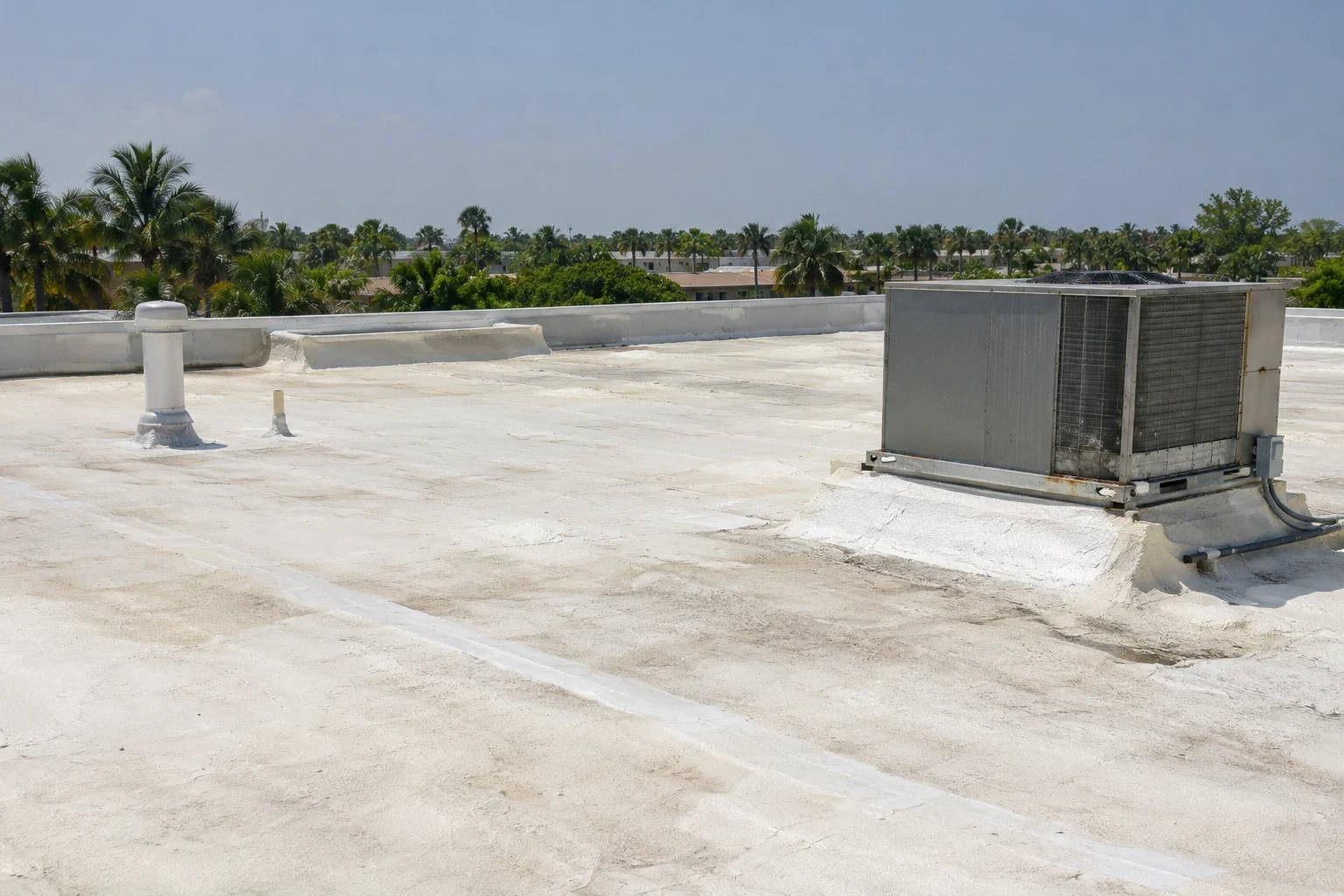
For equipment-related exposure, coordinate rooftop interfaces with the responsible trades. An uncontrolled discharge or unsuitable support arrangement can require correction apart from membrane selection. Carry that work in the bid package so the roof material is not expected to solve an unresolved operating source.
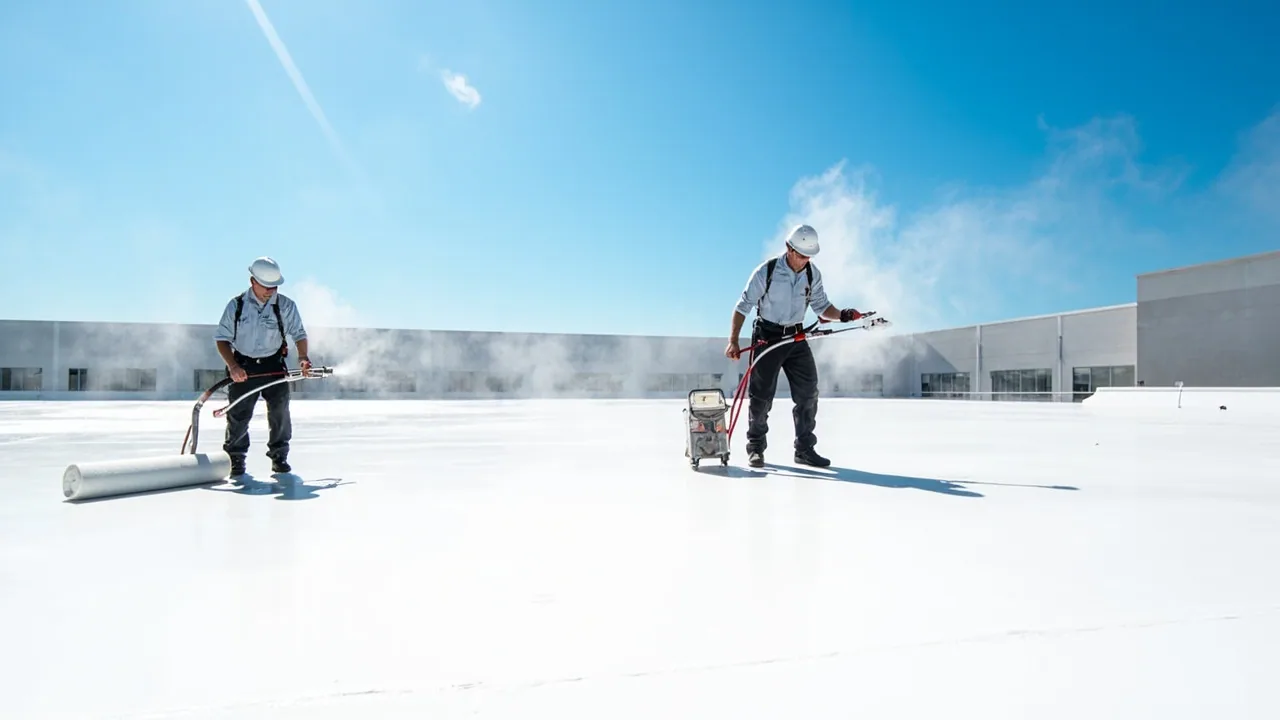

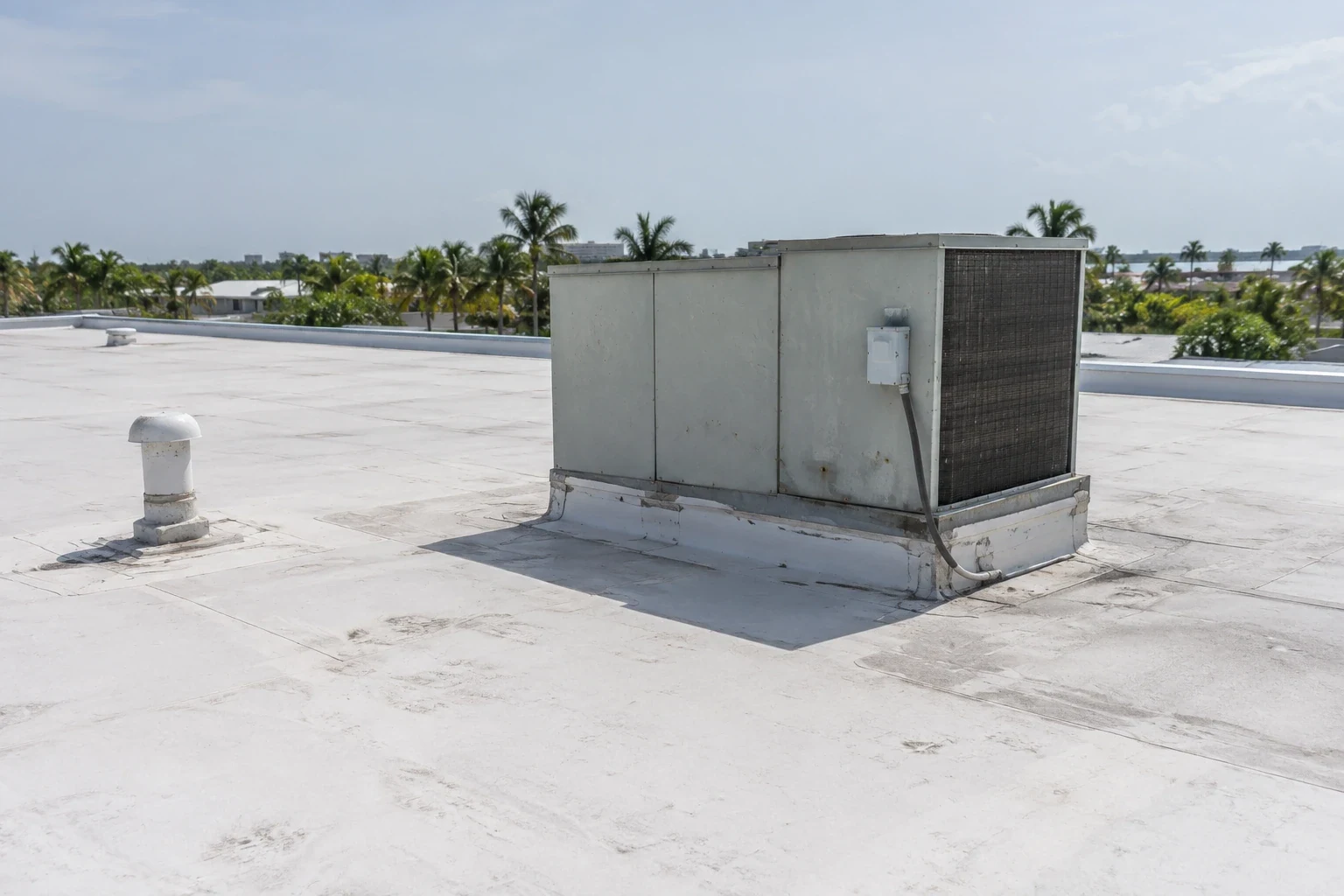
Which supporting layers belong in the assembly?
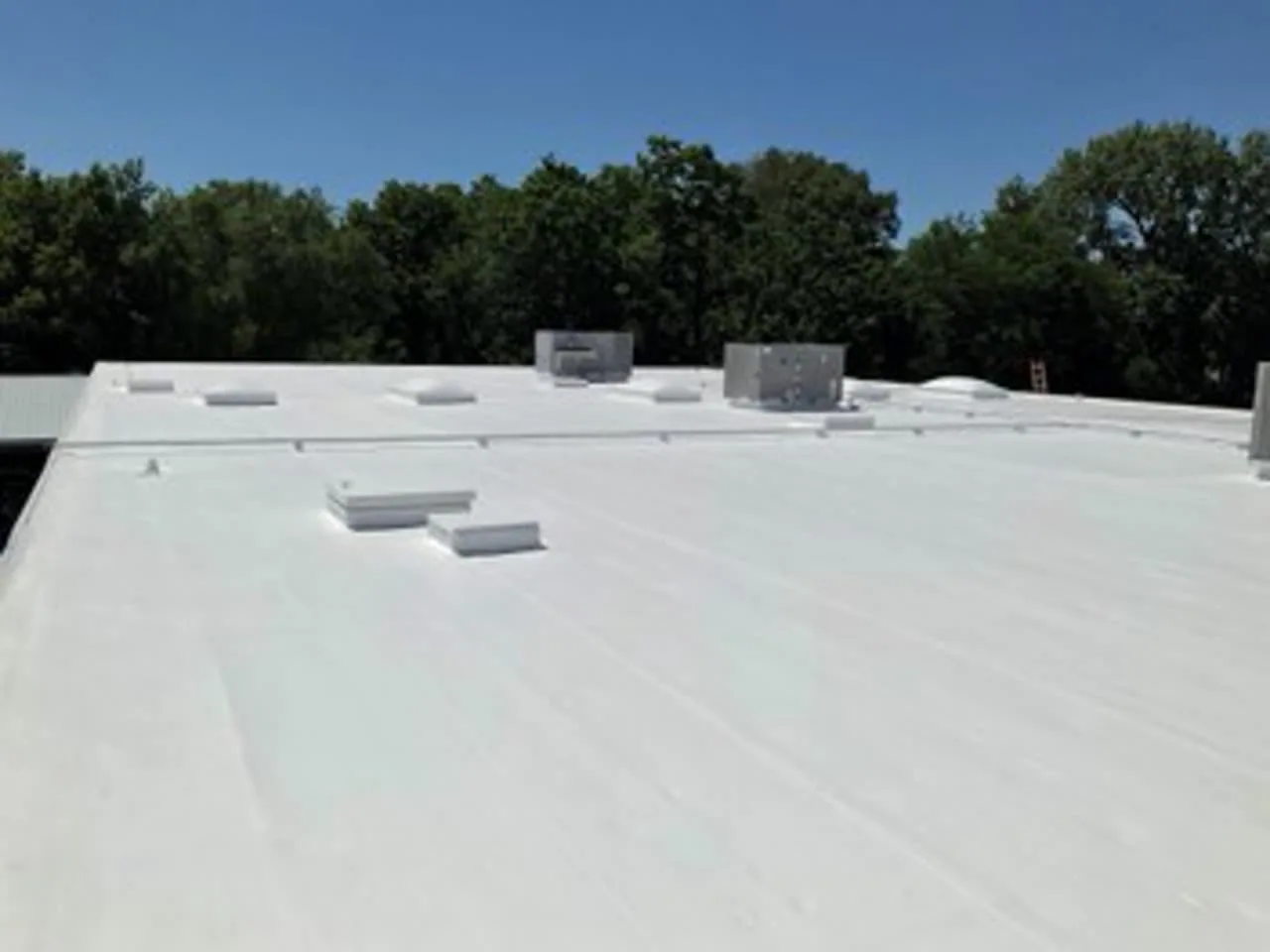
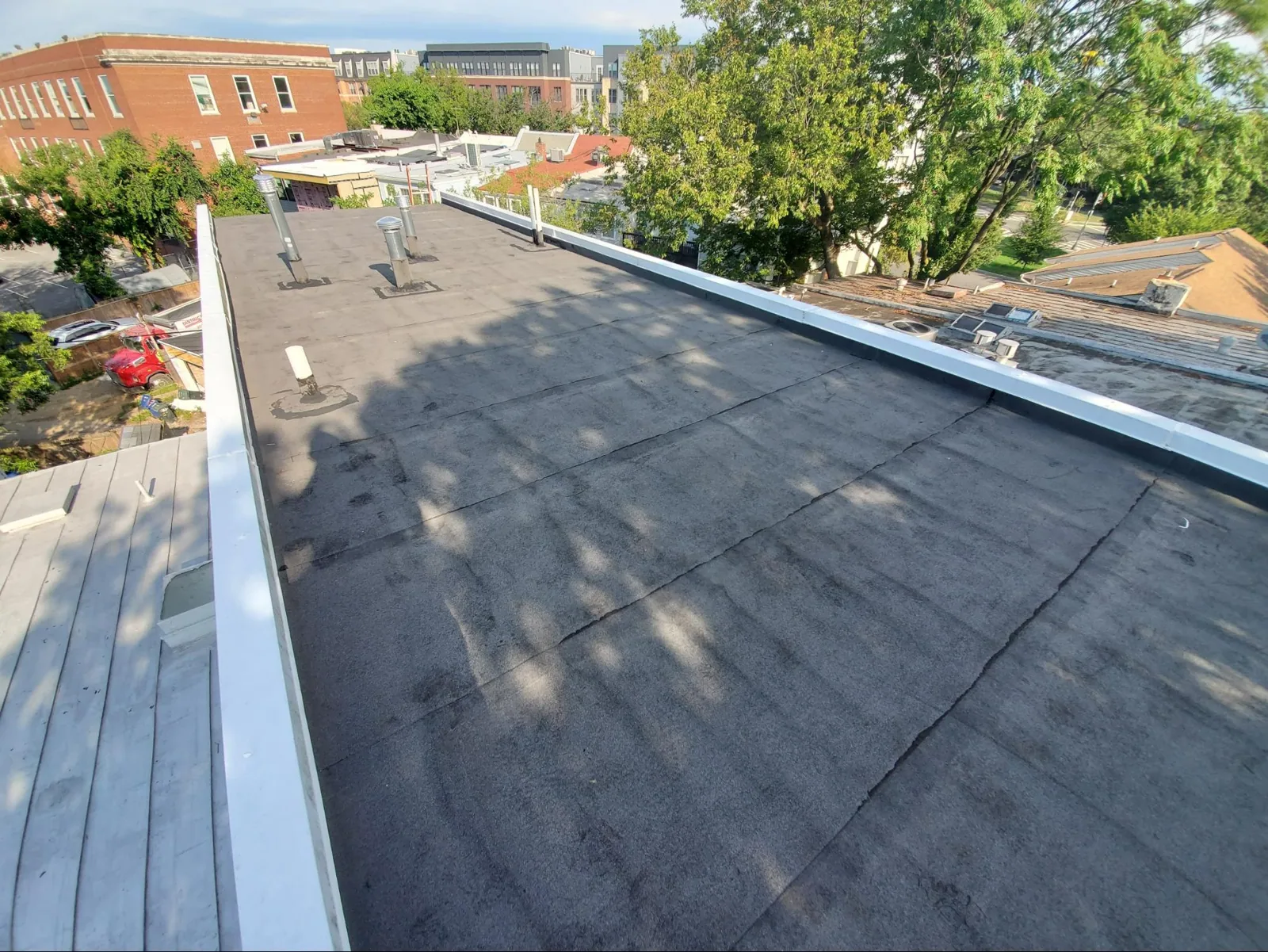
Establish the substrate, insulation and cover board according to the selected product and approved construction. Compatibility and separation requirements need review where new materials meet existing layers. The surface condition, supporting construction and attachment all affect whether the proposed method is suitable.
Coordinate board-layer selection with the drainage layout and detail elevations. New thickness can affect curbs, outlets or perimeter connections. Identify those changes before procurement, with measured quantities and related construction priced explicitly. Review the intended water route at each affected outlet and the transition to adjacent roof areas. If the proposed thickness changes a detail elevation, assign the required design or reconstruction decision before material ordering. The field crew should receive an accepted arrangement rather than an unresolved instruction to make the new layers fit.
Where retained construction is considered, define the evaluation and project criteria for the proposed recover scope. Investigation may be needed for concealed moisture or uncertain attachment. Sampling and survey findings should remain tied to their locations and method limits, with the broader assembly decision supported by the relevant project evidence.
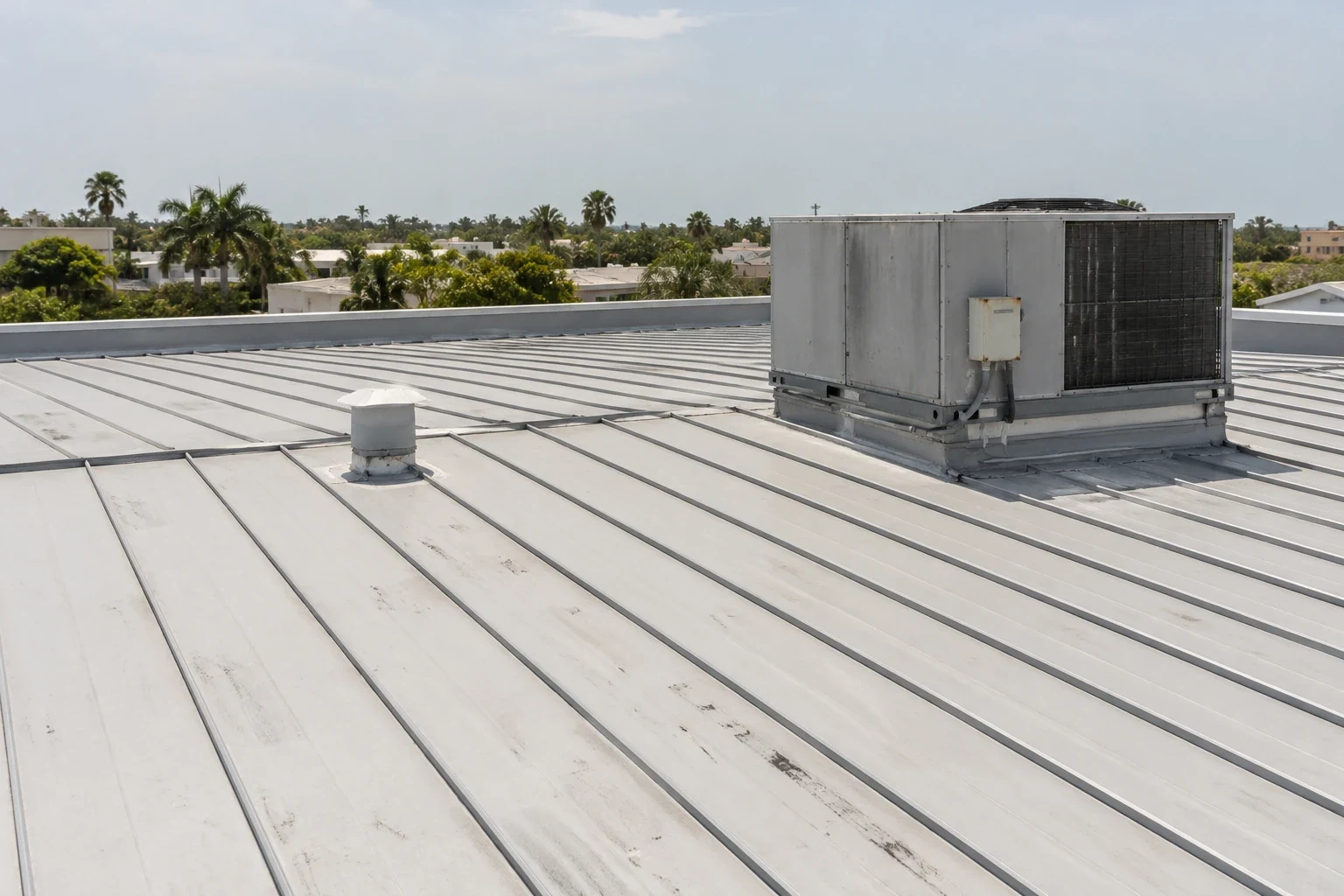
How do seams and details affect installation?
The selected thermoplastic system establishes welding procedures, compatible detail components and quality checks. Confirm preparation, equipment and installation conditions through those documents. Do not import a seam procedure from another membrane merely because both products use thermoplastic construction.
At penetrations, establish the curb or sleeve arrangement and suitable transitions. Coordinate flashing details with equipment and component work before opening the roof. The general contractor needs responsibilities and the installation sequence defined so each connection can be inspected before the next activity conceals it.
Attachment also needs project-specific review. Establish the assembly requirements and supporting construction suitability through the responsible design and submittal process. A membrane designation does not establish roof wind pressures, fastener layout or adhesive preparation for the building. Resolve those requirements as part of the accepted scope.
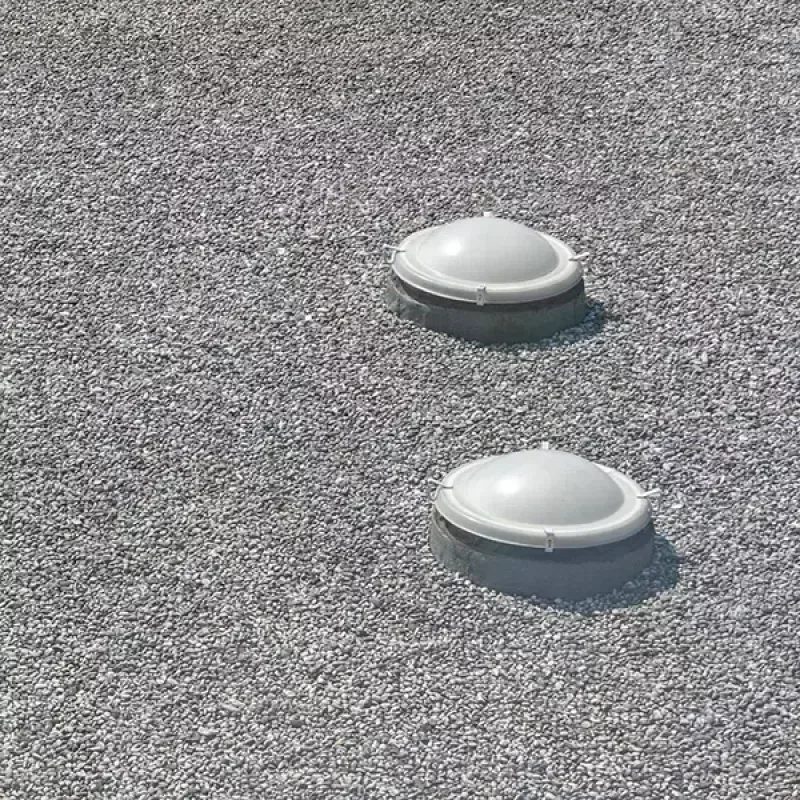
How does Boca Raton planning affect lead time?
Much of Boca Raton's annual rainfall occurs during June through September. Use that seasonal window when planning procurement and suitable construction phases, then verify actual installation conditions. Materials, details and protection methods should be ready before each section is opened.
Plan campus deliveries with the project management team at Boca Raton area. The former IBM property occupies the area between Spanish River Boulevard and Yamato Road. At the project property, establish delivery routes and building contacts before committing to a material arrival date. Tenant access and equipment service can influence the sequence even when the roof field is ready.
The office setting at The Park at Broken Sound makes operating coordination another early budget item. Confirm approved staging, roof access and notices with management. If the selected product has a particular procurement requirement, align ordering with submittal acceptance and the actual work windows instead of making the schedule depend on an unverified delivery assumption.
What makes the final recommendation defensible?
Explain why the exact KEE product and assembly meet the documented project objective. Show preparation, attachment, detail and access costs separately enough for the owner to understand the total. Define the authorization process for conditions discovered during removal and name the party responsible for each outstanding clarification. A general contractor can then maintain the scope and schedule around specific decisions rather than an unspecified contingency. An alternative should receive the same scrutiny rather than being accepted or rejected from the category name alone.
Review the proposed warranty agreement and inspection requirements before award. Coverage, exclusions and owner service obligations come from the actual documents. Keep those terms with the product and assembly information so later repairs can follow the appropriate process.
At closeout, retain approved materials, inspection records, photographs and authorized changes. Connect the service requirements to preventive maintenance, including the reporting route for damage or operating changes. A useful KEE specification leaves the owner with a clear product choice and a complete construction record, not a material abbreviation standing in for the roof plan.
Submittals should identify the full assembly, not only the KEE sheet. Review primer, attachment, flashing pieces, seam method, insulation and cover board against the selected manufacturer's current instructions. A field mockup can settle crew technique and appearance before broad installation. Record the accepted detail, environmental limits and any substrate preparation so inspection compares installed work with the approved assembly.
Questions About KEE Roofing
Straight answers for Boca Raton owners and managers. For anything not covered here, call 555-555-5555 or request a roof assessment.
Related Roofing Pages
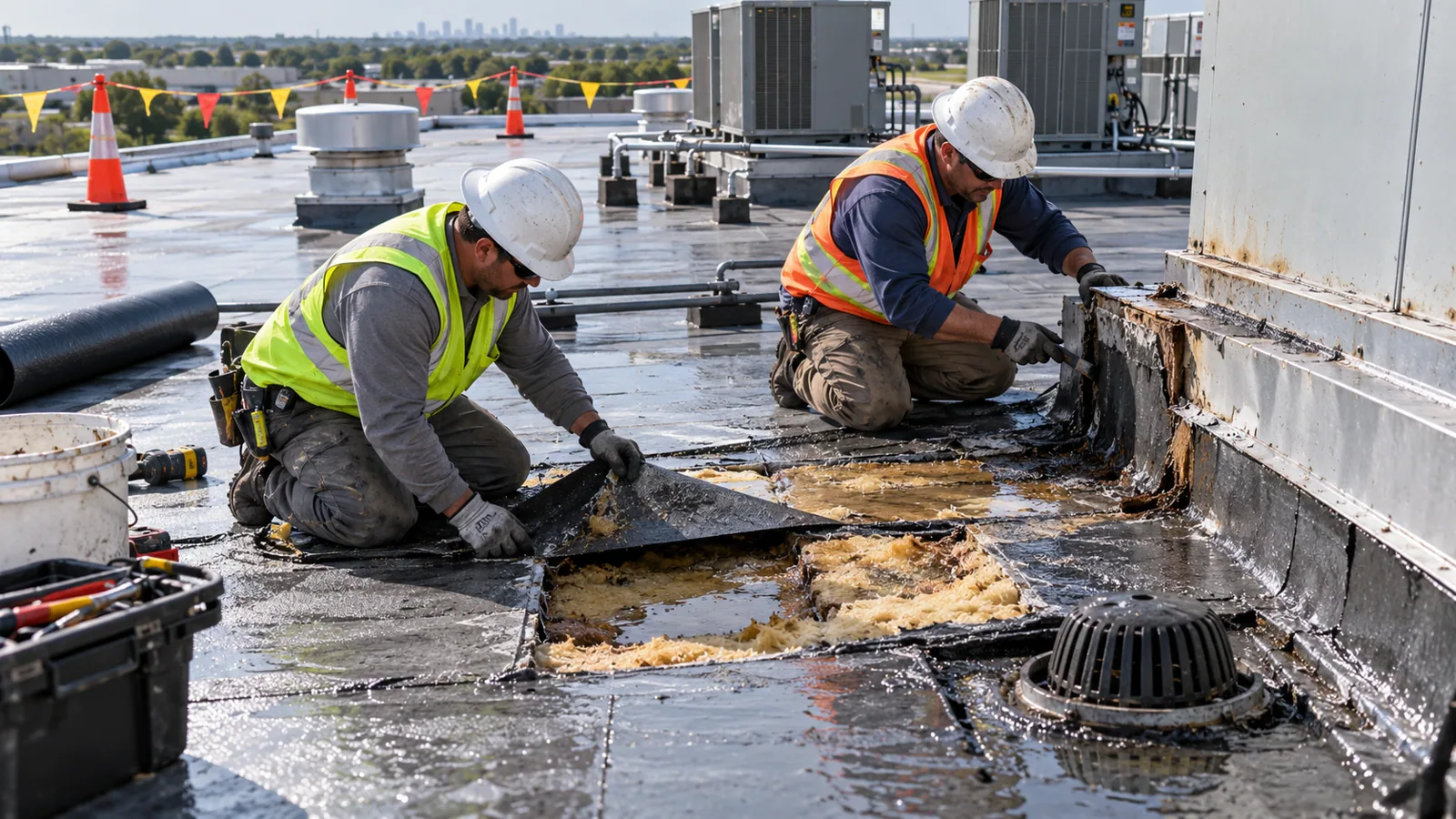
Commercial Roof Replacement
How the work is scoped, phased and documented on Boca Raton commercial roofs.
PVC Roofing
What we check, what we recommend and how the crew keeps the building open.
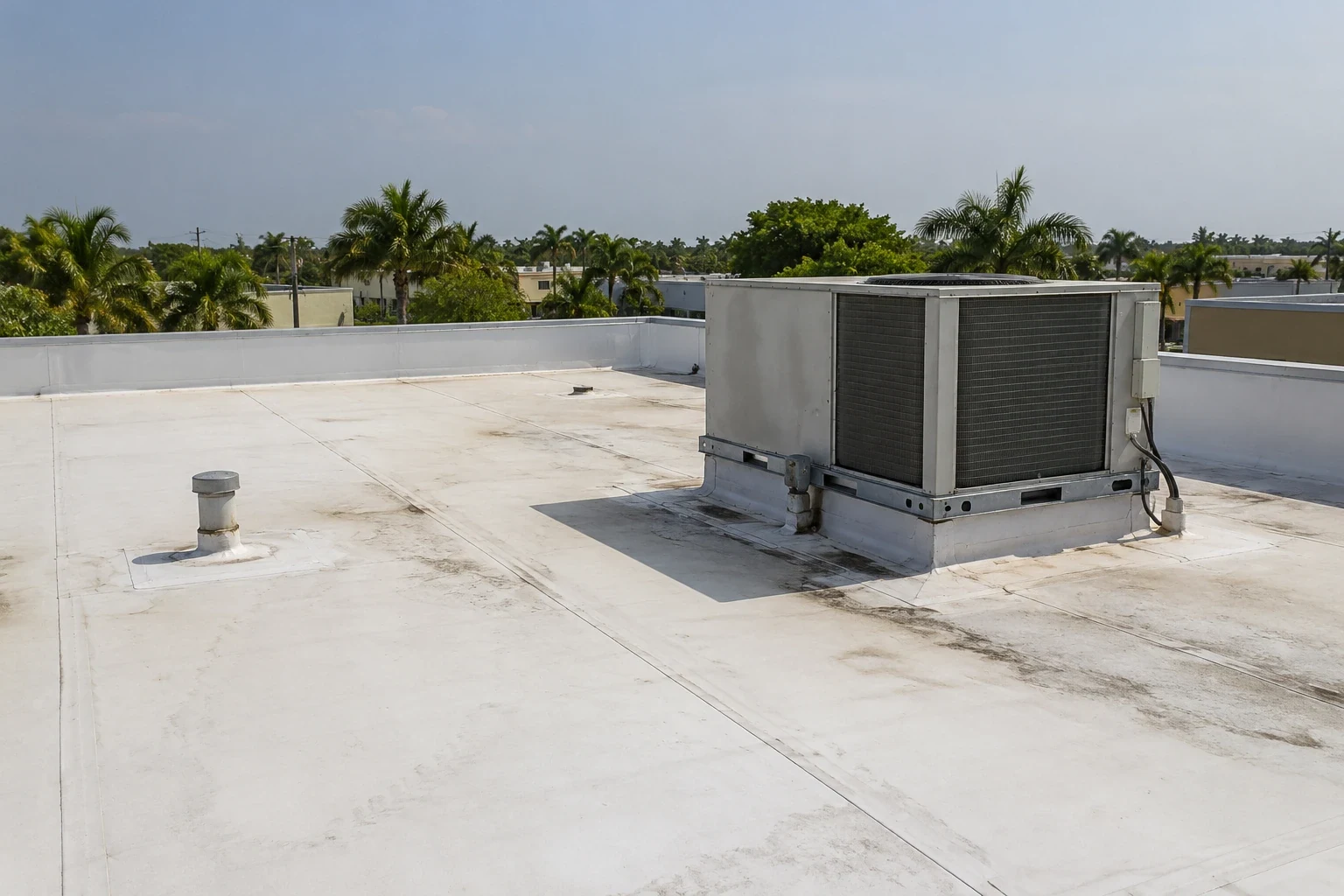
TPO Roofing
Conditions, options and next steps for commercial buildings in South Palm Beach County.
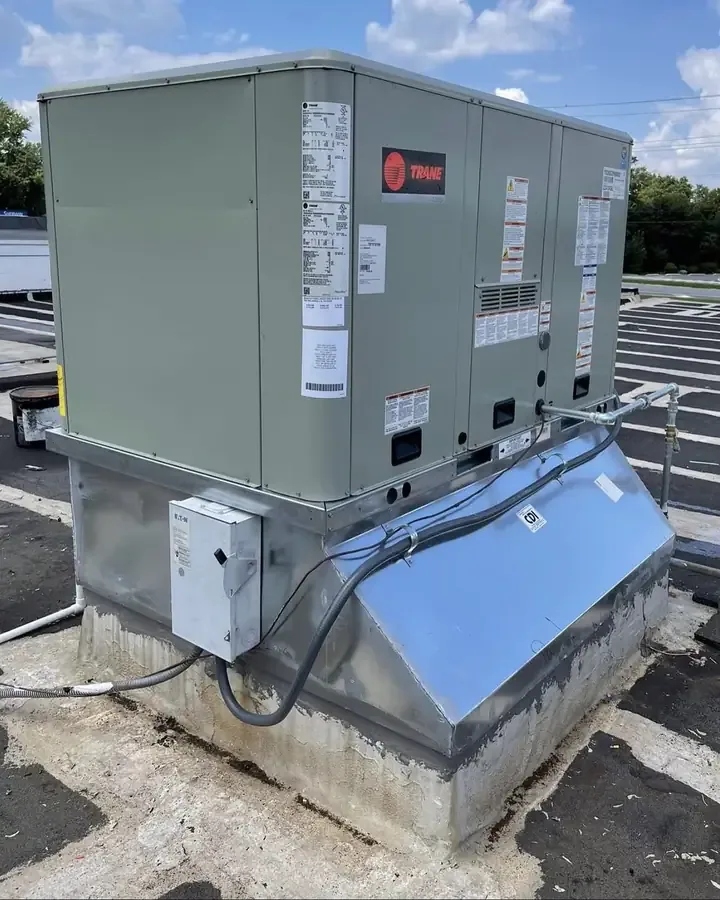
Rooftop Equipment Curbs and Supports
Where this fits with repair, restoration and replacement decisions.