Roof Insurance Claim Assistance in Boca Raton, FL
Which records establish a useful starting point?
Collect the installation documents available, previous service reports, dated photographs and the first incident observations. Note when water was reported and what operations were affected. Retain the original records along with organized working copies. A consistent timeline helps the reviewer understand what the building team knew and when it acted.
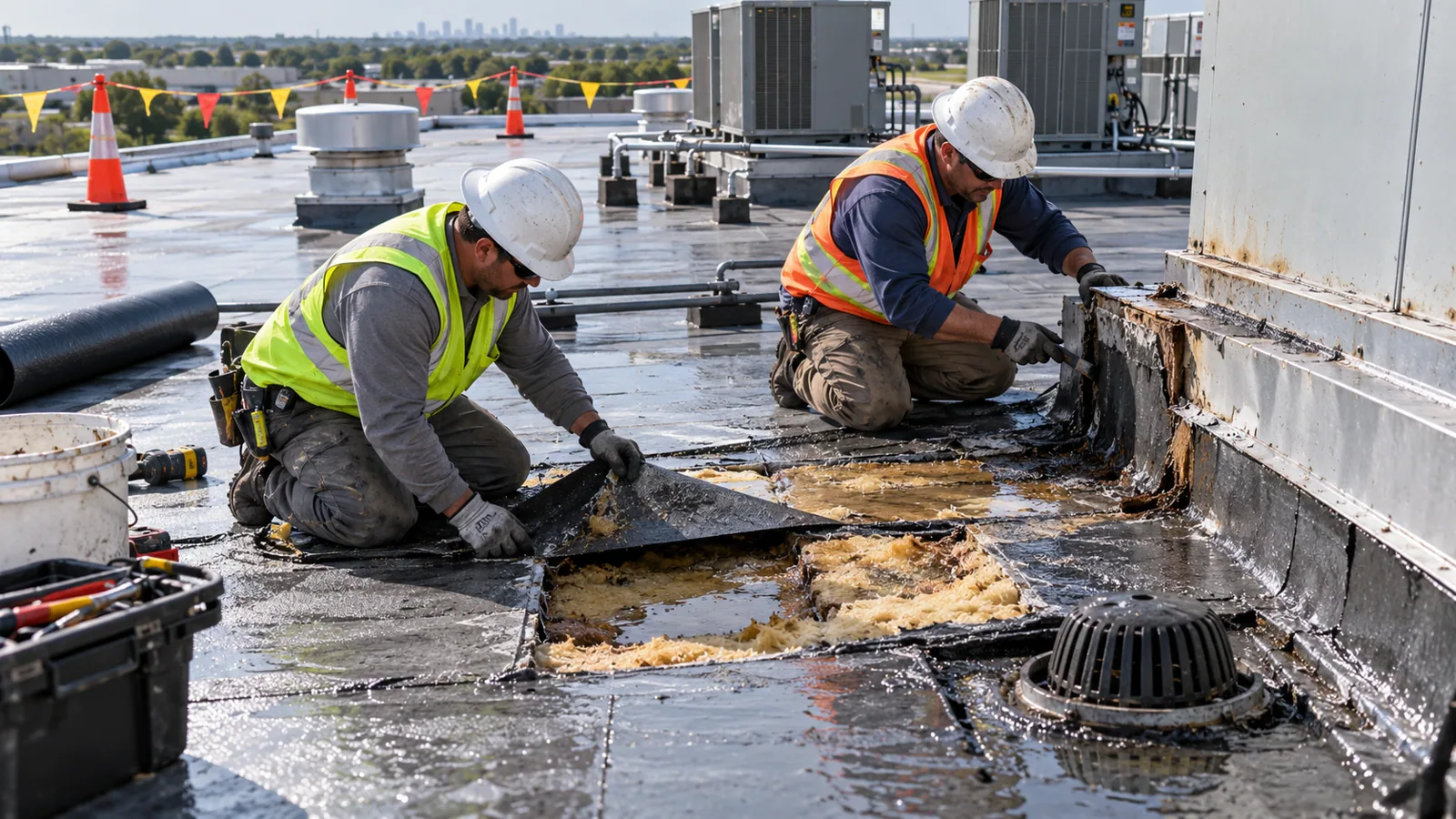
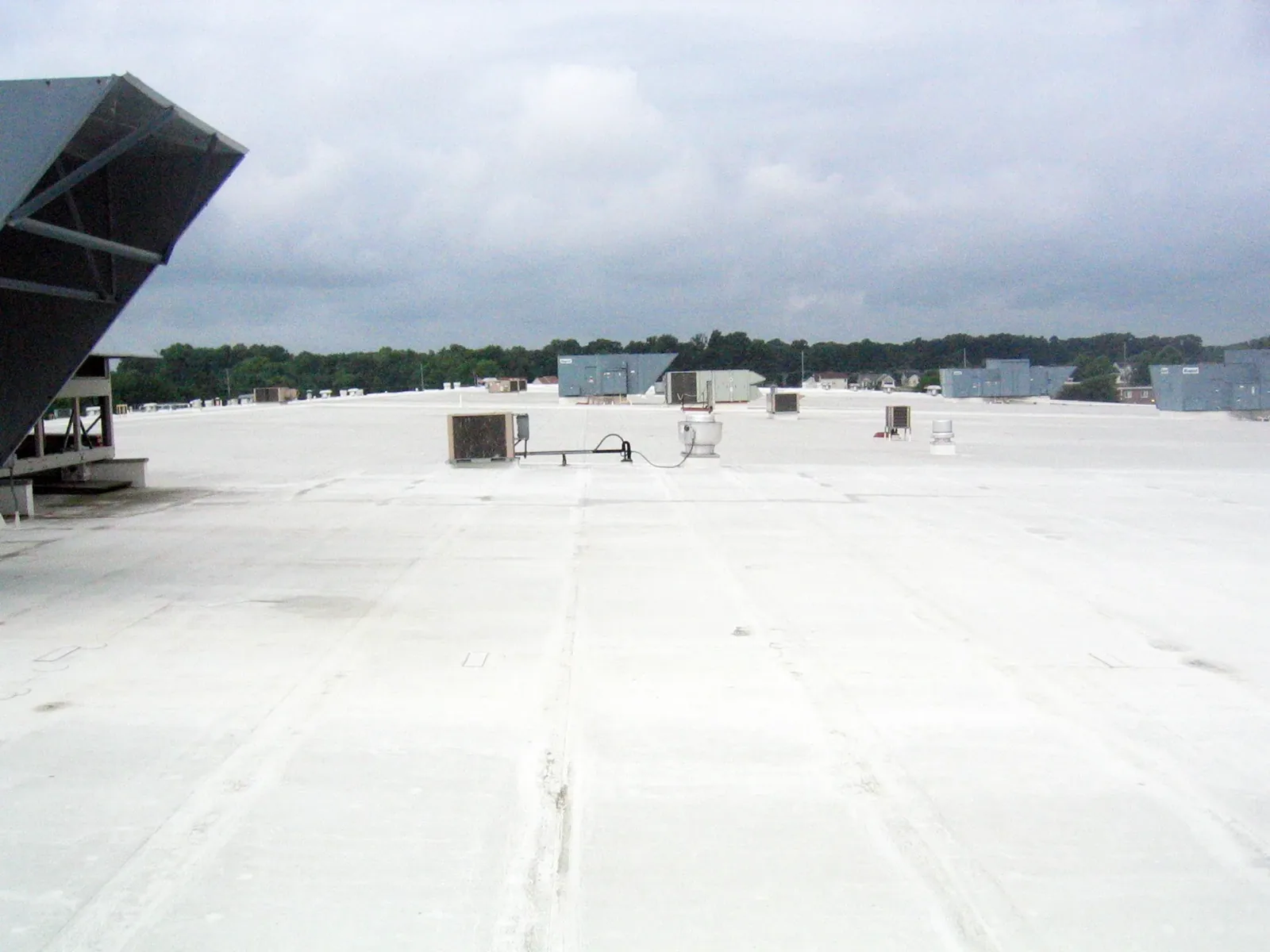
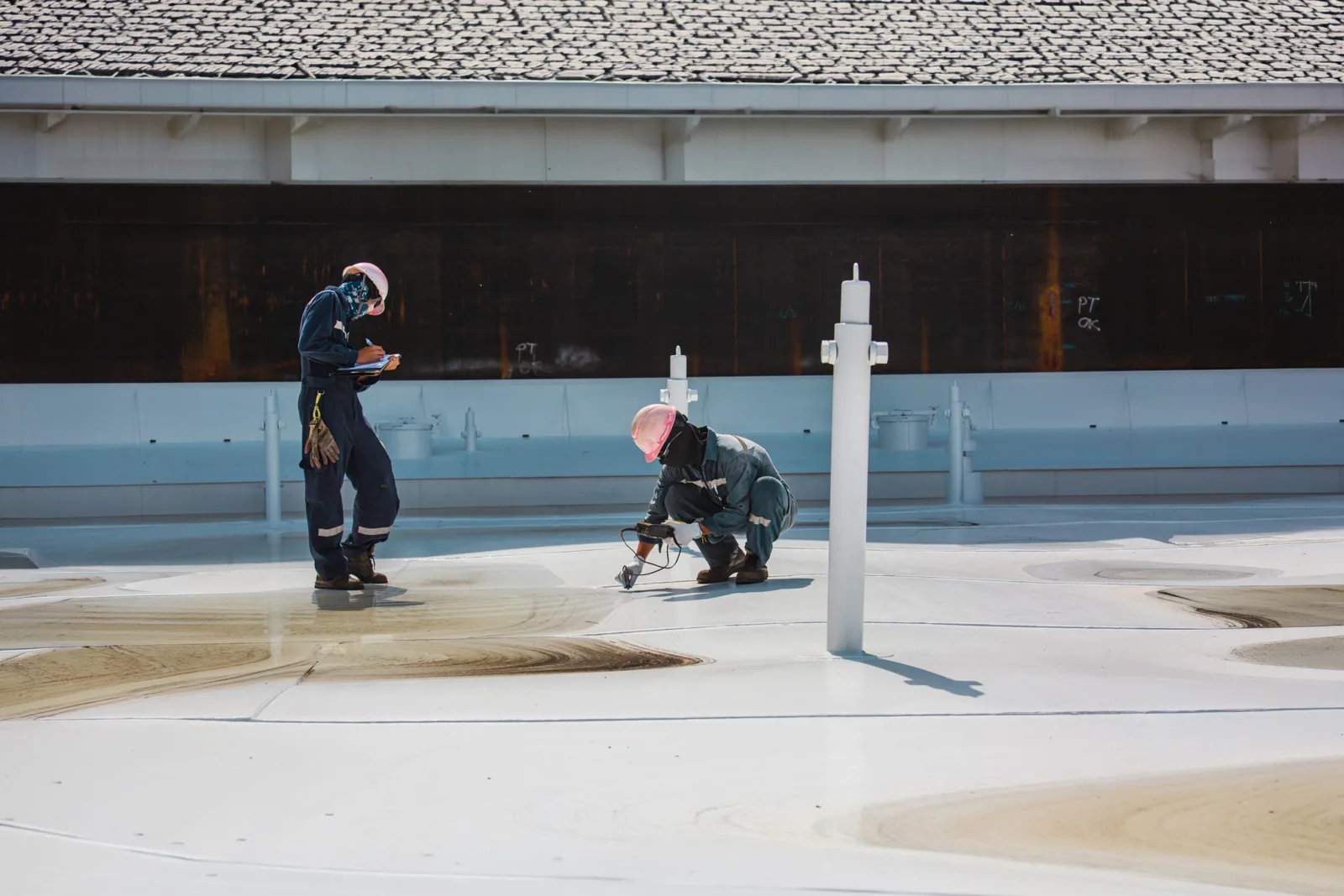
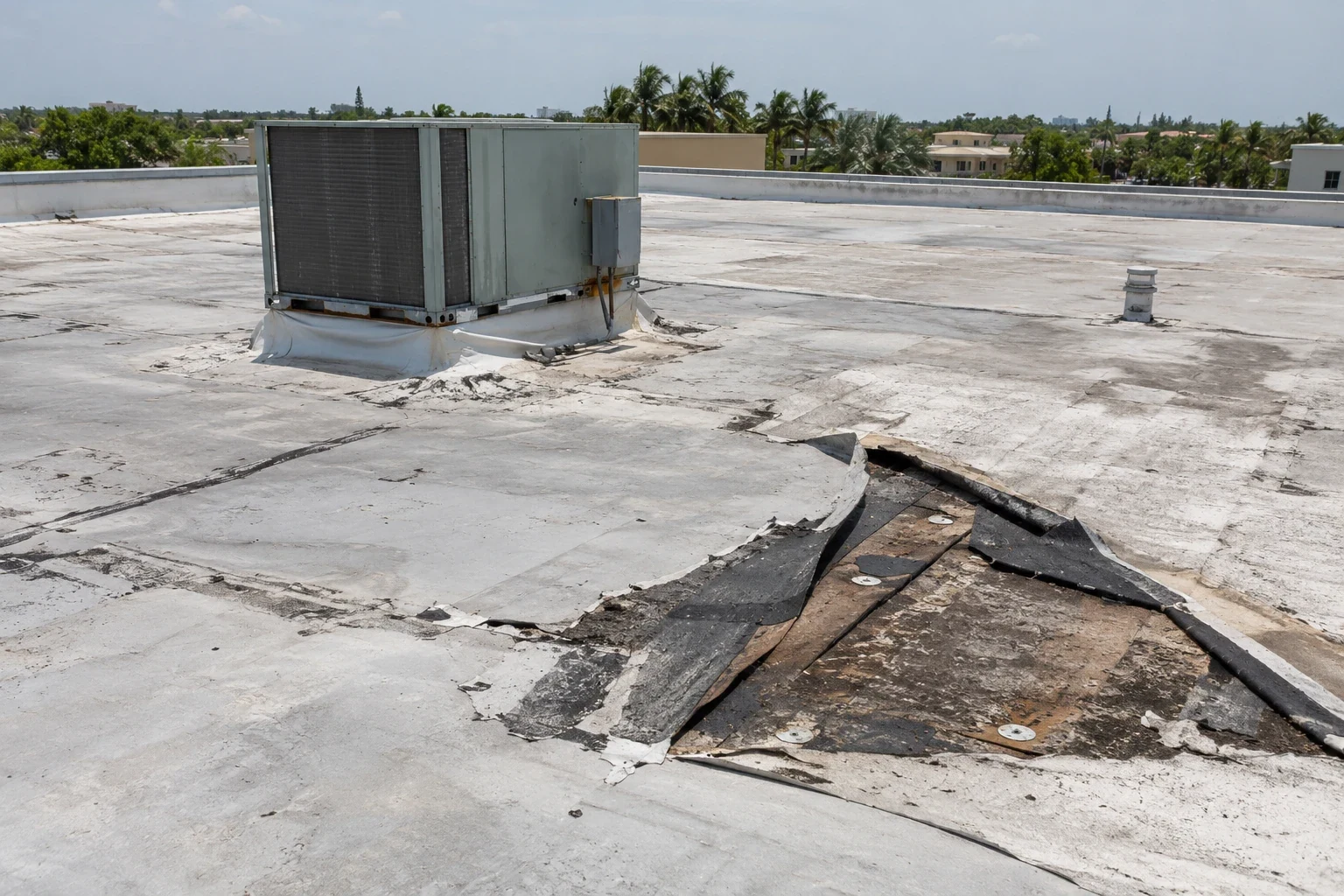
A roof inspection should locate the observed damage and distinguish it from conditions requiring further investigation. Identify accessible areas, restricted locations and the methods used. If a prior photograph shows the same detail, preserve that comparison rather than making a broad statement about the roof from memory.
Document interior effects through the responsible building team or restoration professionals. Ceiling staining, equipment concerns and material damage may have different assessment requirements. The roofing report can connect its own findings to locations supplied by those parties while keeping responsibility for each assessment clear.
How should the repair estimate be organized?
Separate investigation, temporary protection and permanent repair. Within the permanent scope, identify removal, retained materials, new materials, detail reconstruction and trade coordination. Include the access and staging requirements that materially affect cost. That organization allows a reviewer to understand the construction sequence rather than receiving a single unexplained roof total.
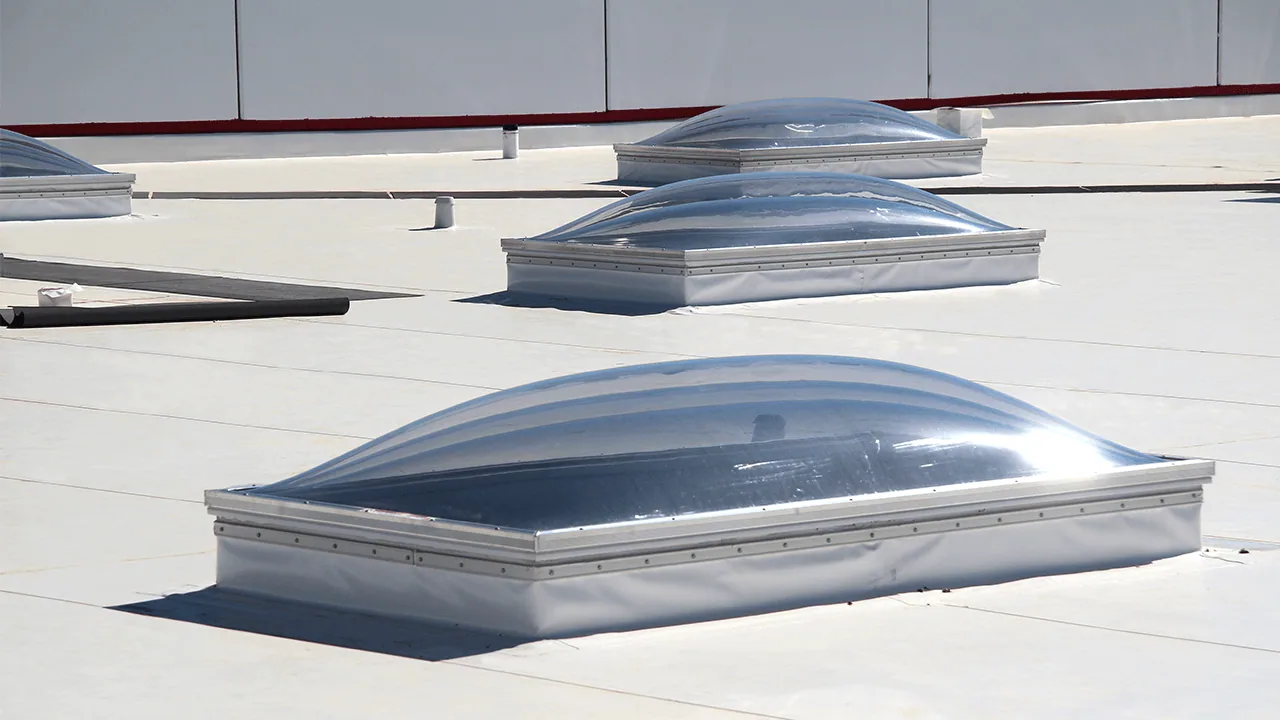
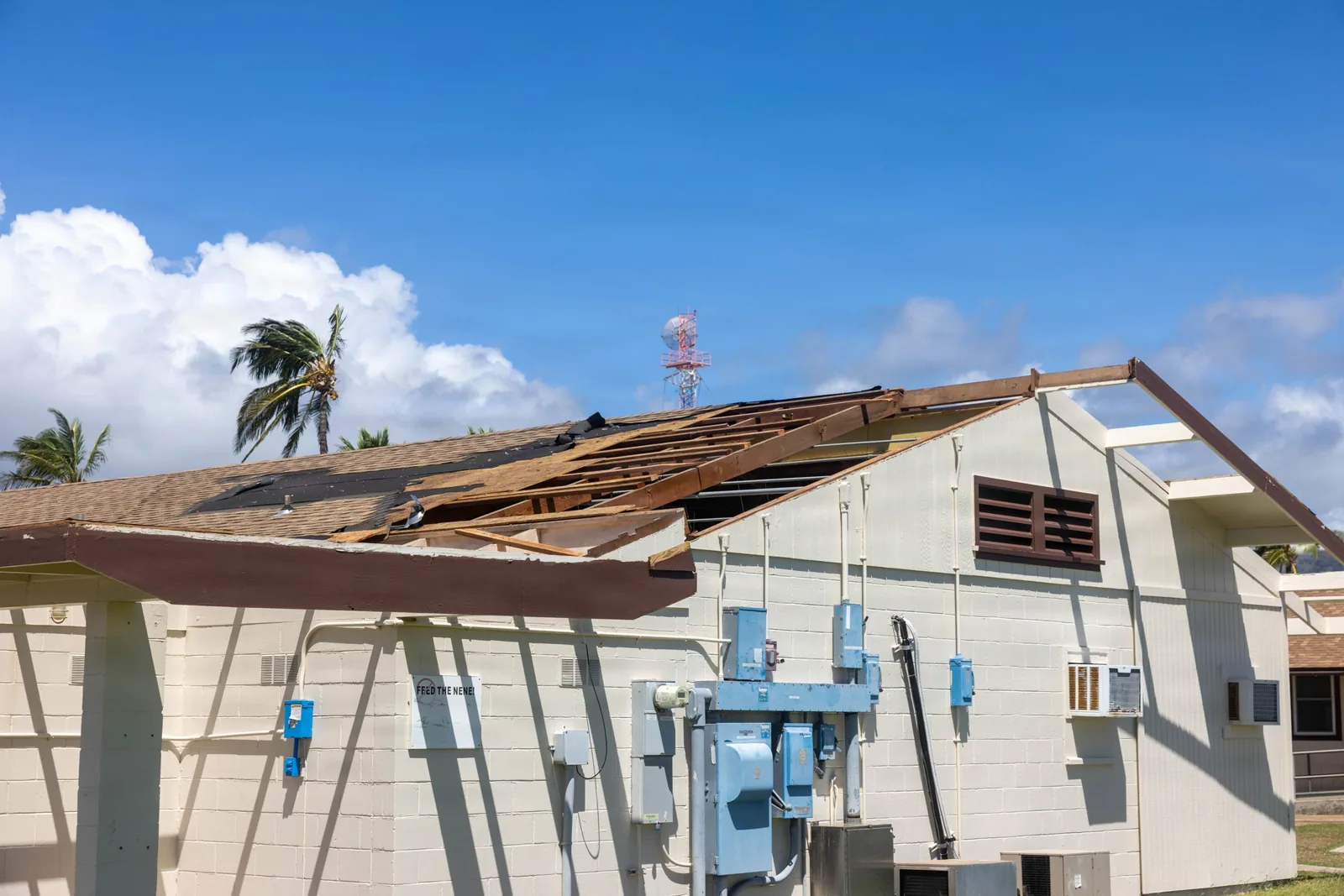
For a storm repair package, show the damaged locations and the proposed boundaries on an understandable roof reference. Explain why a detail needs reconstruction or why concealed materials require examination. If additional work depends on findings not yet available, carry that as a defined decision or allowance with an authorization method.
State quantities and assumptions consistently across the estimate, photographs and scope narrative. A measured repair area should not change silently between documents. When the scope changes, identify the new evidence, revised work and resulting cost. That makes the construction record easier for the owner and insurer to evaluate.
Where do technical findings need more evidence?
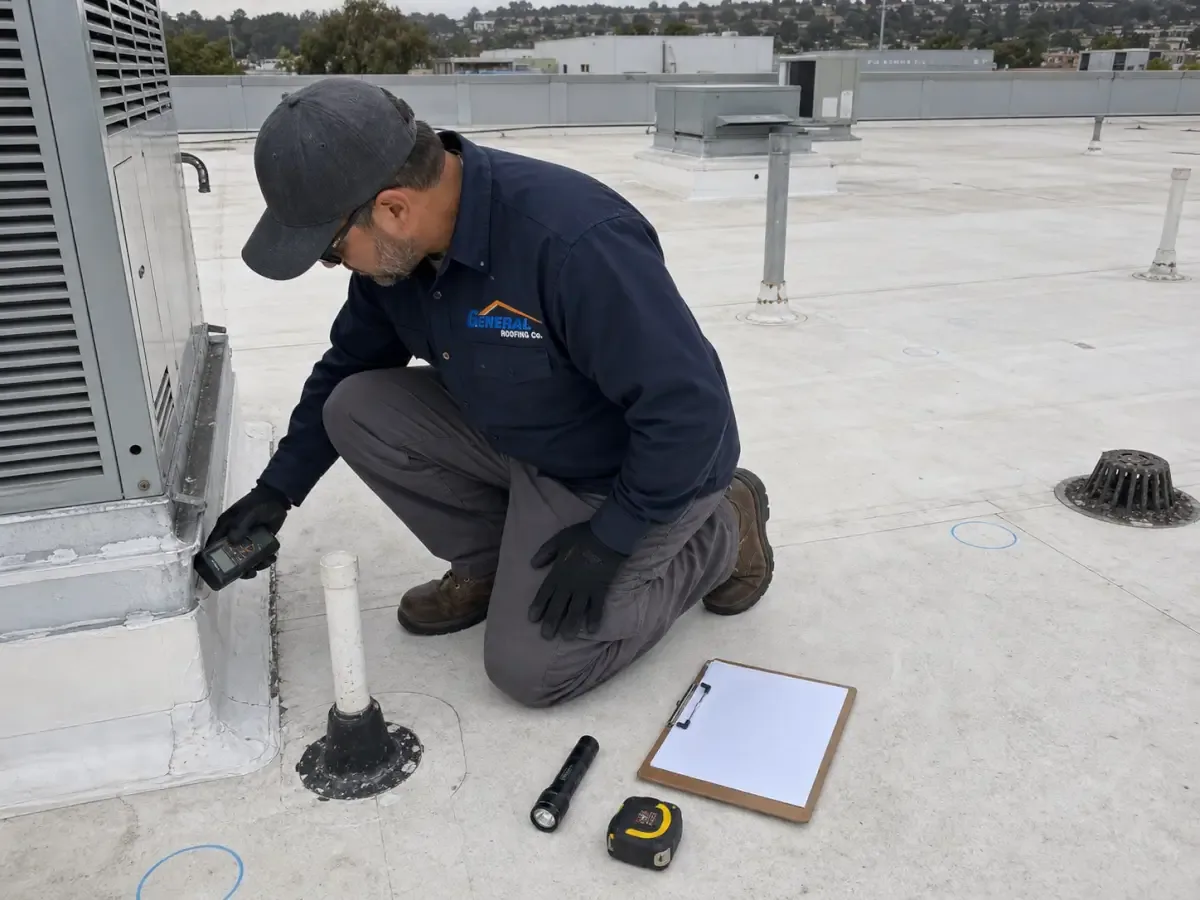
Visible damage can establish that a detail needs attention without resolving every question about the underlying assembly. Where hidden moisture, support or attachment matters to the repair, propose an investigation suited to that question. Explain what the method can show and how its results will inform the scope.
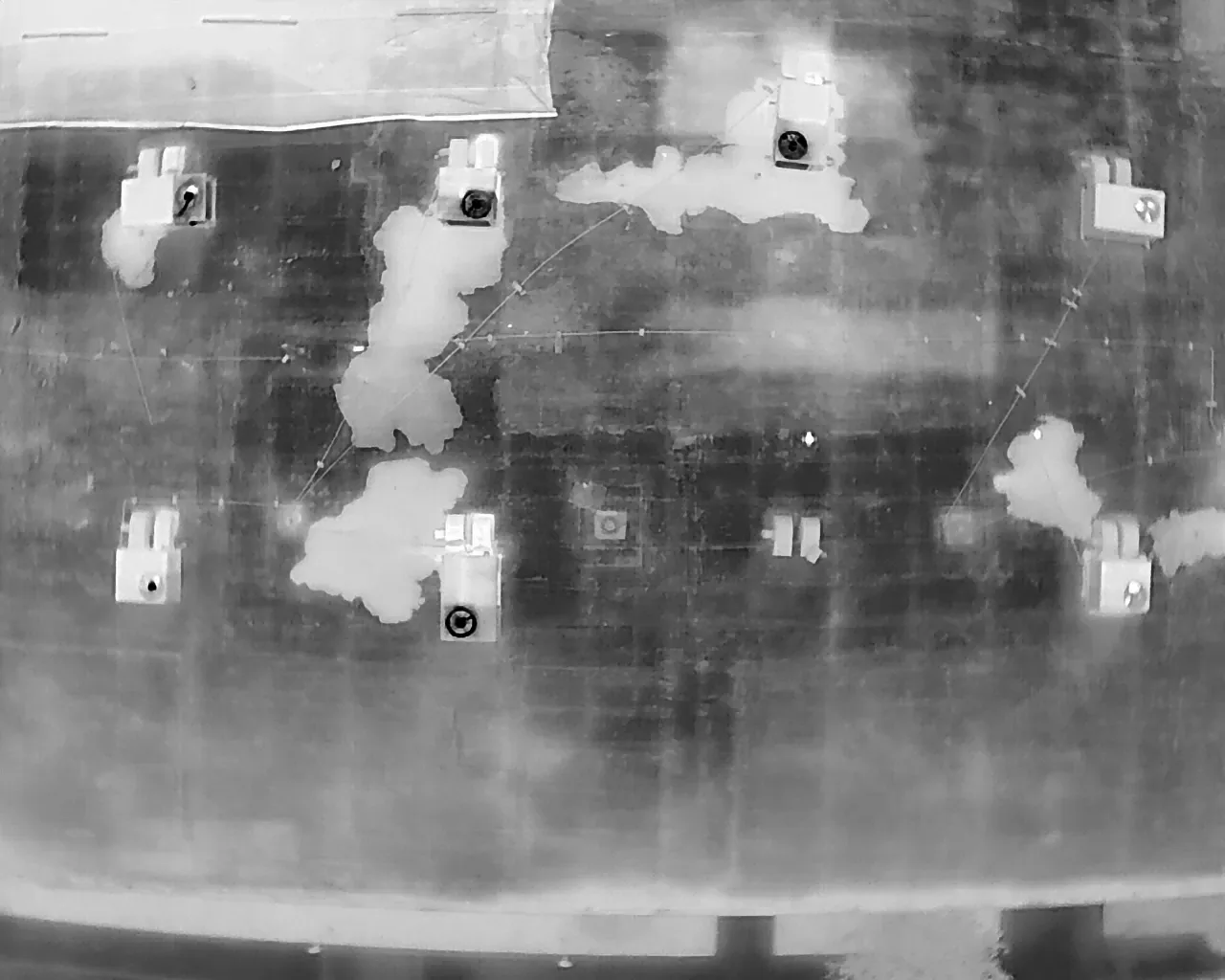
An infrared survey may help identify patterns for further evaluation when the roof and weather provide suitable conditions. Interpret those patterns with the assembly information and confirm suspect locations through appropriate methods. A thermal pattern by itself does not establish the cause, date or full extent of moisture.
The same discipline applies to sampled materials. An opening provides evidence at that location, and the project team evaluates how the findings relate to the rest of the proposed work. Keep the sample locations and closure records in the file. The claim package should make the evidence understandable rather than implying a level of certainty the investigation did not provide.
How does Boca Raton context support preparation?
Boca Raton has experienced hurricanes including Wilma in 2005 and Irma in 2017. That history makes a ready building record useful before the June-through-November hurricane season. Keep current roof contacts, access instructions and prior condition reports where the responsible owner representatives can retrieve them after an event.
At The Park at Broken Sound, office management may need several tenant contacts involved in documenting affected rooms and coordinating access. Establish a shared location reference and a route for collecting reports. That practical arrangement helps the construction team reconcile interior observations with the roof inspection.
The retail and dining setting at Mizner Park makes operating coordination part of the repair estimate. Record the approved staging, delivery and work-hour requirements for the actual property. Include the related construction costs in the proposal so the owner can explain how the repair will be carried out around building use.
Who decides coverage and the construction scope?
The insurer determines coverage under the policy. The owner may use appropriate licensed claim or legal professionals for policy questions. The roofing contractor supplies observed conditions, technical explanations within its role and a priced construction scope. Keep those responsibilities explicit when meetings bring several parties together.
Code and approval requirements also need project-specific review. Identify the jurisdiction, proposed repair and documents needed to establish the applicable work. Where required improvements affect the estimate, describe the actual task and its basis instead of adding an unexplained code allowance. The construction team can then answer scope questions with the supporting project information.
For larger projects, use roof capital planning to resolve design responsibilities, procurement and phasing before committing to a start date. Close the documentation loop with completed-work photographs, invoices and the final scope changes. A well-organized file supports review and leaves the owner with useful roof records after the claim discussion ends.
Keep the chronology factual: date reported, observed condition, temporary protection, approved investigation, and work completed. Separate estimates for confirmed damage from optional upgrades or maintenance so the property owner can review each decision independently. The roofer can document conditions and price construction, while the insurer and policyholder make coverage decisions under the policy. Before repair begins, confirm who may authorize changes if removal exposes a different condition. This record helps reconcile the performed scope with the approved work without presenting the contractor's inspection as a coverage determination.
Questions About Roof Insurance Claim Assistance
Straight answers for Boca Raton owners and managers. For anything not covered here, call 555-555-5555 or request a roof assessment.
Related Roofing Pages
Emergency Commercial Roof Repair
How the work is scoped, phased and documented on Boca Raton commercial roofs.
Commercial Roof Inspection
What we check, what we recommend and how the crew keeps the building open.
Storm Damage Roof Repair
Conditions, options and next steps for commercial buildings in South Palm Beach County.
Infrared Moisture Surveys
Where this fits with repair, restoration and replacement decisions.