
Roofing for Real Estate Investors in Boca Raton, FL
How should the underwriting file separate evidence from assumptions?
Collect assembly records, installation history and repair information from the available building documents. Identify whether the roof construction date is documented or uncertain. The building completion year and a prior sale description cannot establish the age of every retained roof layer.
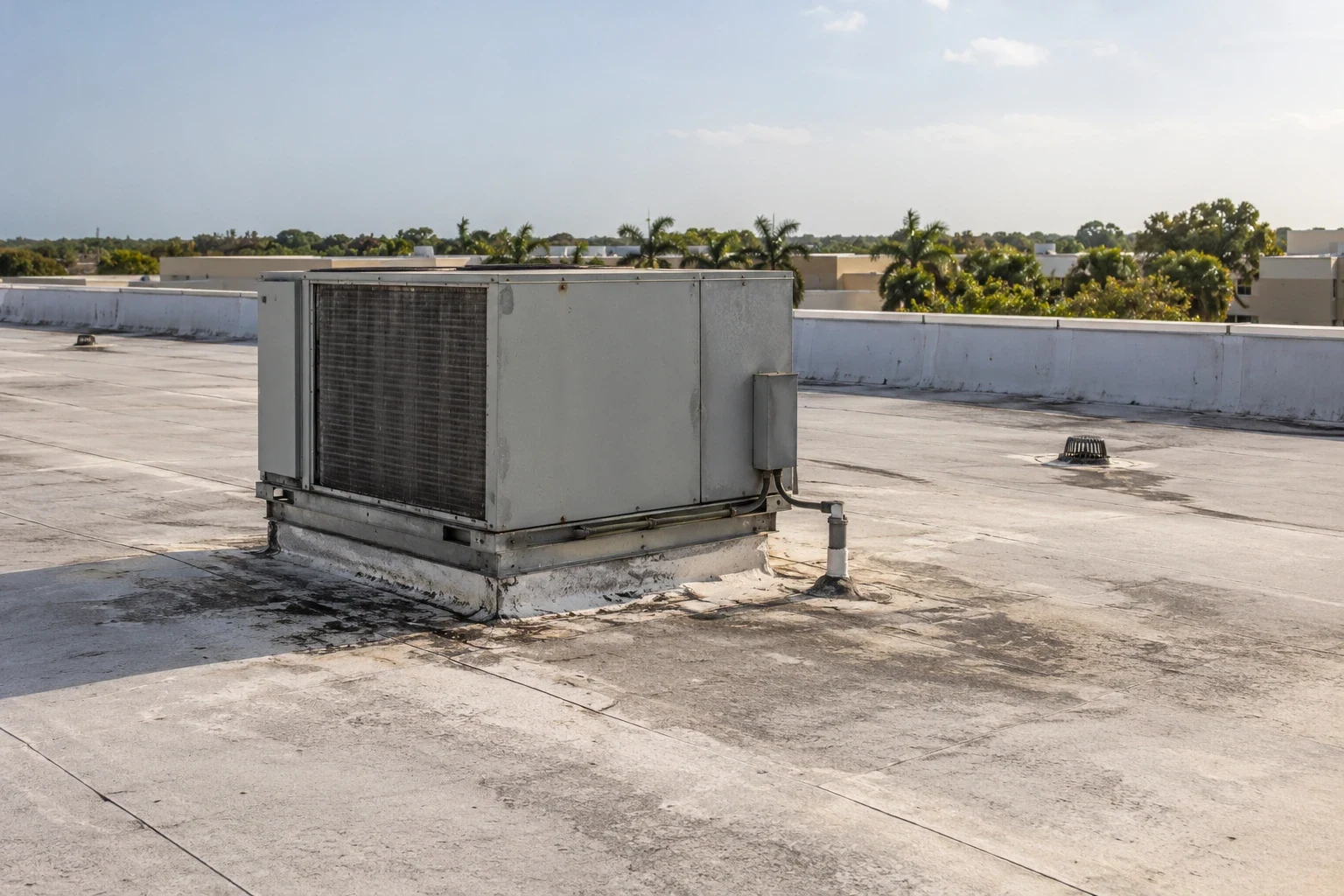
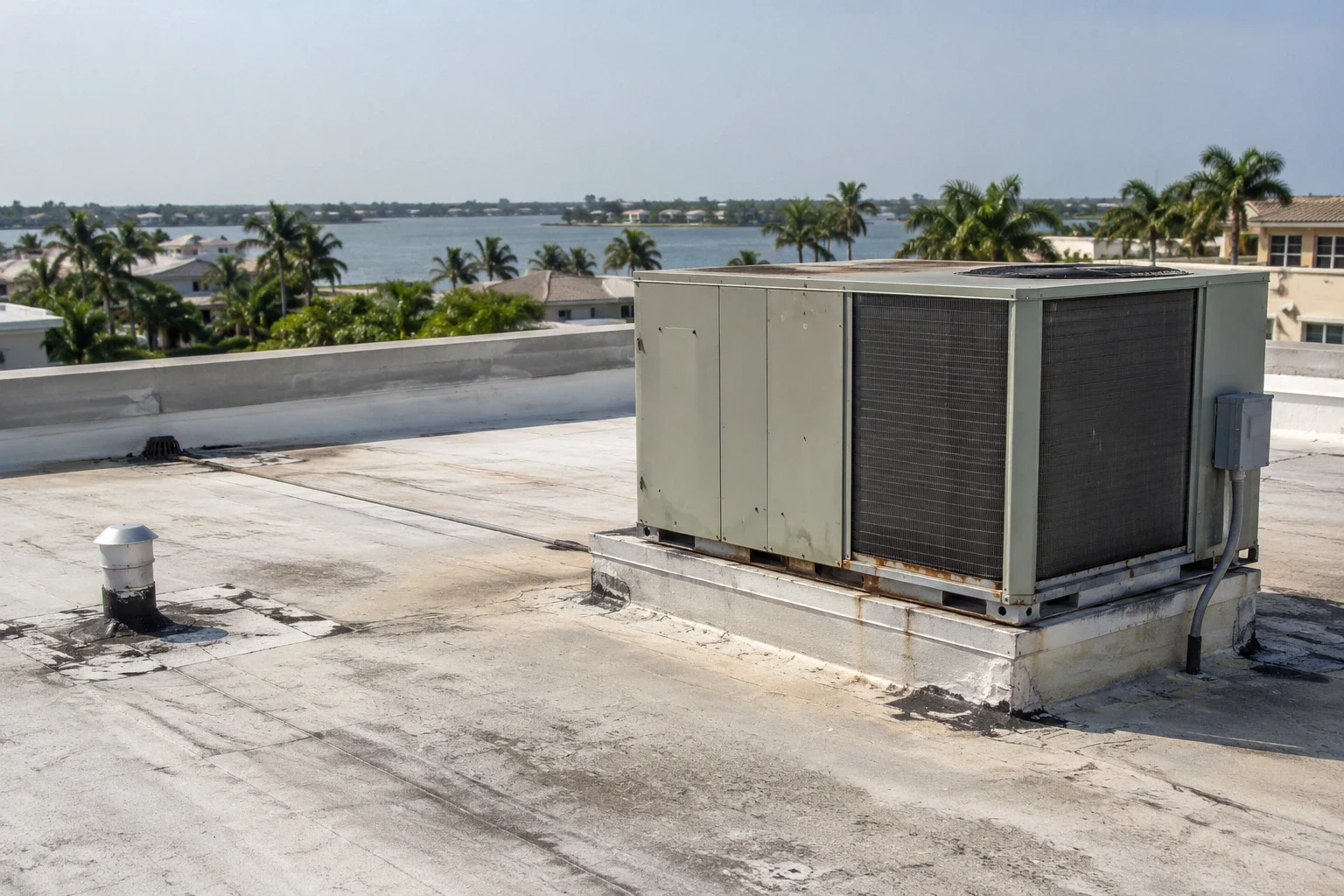
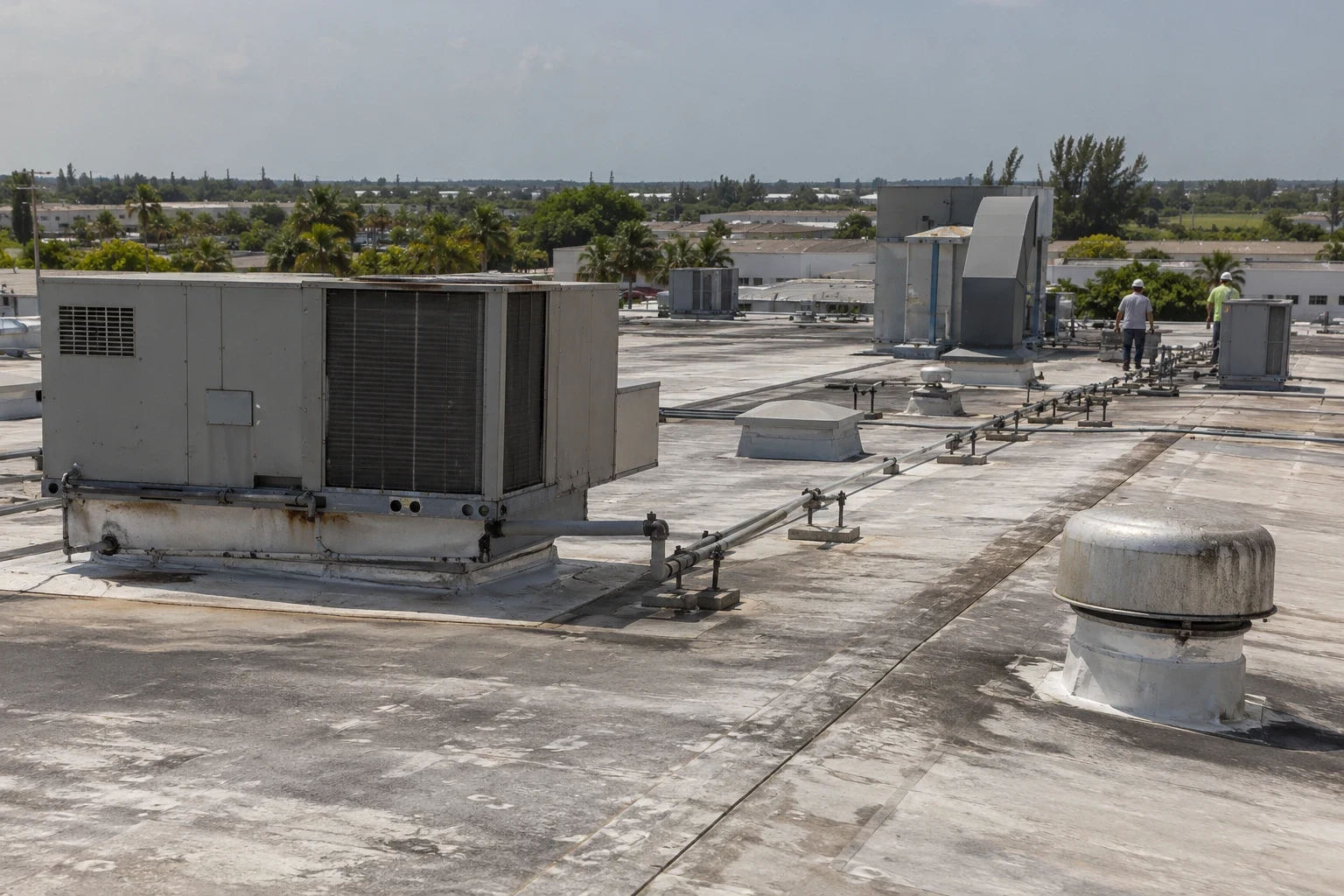
Show the examined locations and observed defects with a usable roof reference. Where hidden moisture or support conditions affect the capital choice, define the investigation needed to resolve them. Samples and survey results should remain tied to their locations and procedures; the broader conclusion needs the relevant assembly evidence.
A condition inspection should distinguish findings from recommendations and exclusions. The investment team needs to know which number is a priced scope, which is an allowance and which decision remains open. Keep those distinctions visible when the file moves between consultants, ownership and the general contractor.
What makes a capital allowance defensible?
State the project objective and construction boundaries. Include removal, retained materials, new assembly, details and access assumptions. A reserve based on a generic area rate can miss equipment interfaces, concealed repairs or operating constraints that materially change the work.
Connect the scope to capital planning and identify decision dependencies. The team may need testing, design or jurisdiction clarification before final pricing. Assign those tasks and carry their cost or allowance separately so the owner sees the route to a reviewable bid. Separate quantities already measured from conditions that require further access. When the price changes, reconcile the new information with the original scope instead of presenting a revised total without its basis.
Where alternatives are suitable, compare an evaluated repair or recover scope with replacement on the same asset objective. Retained-condition requirements and future service obligations differ. Explain those differences rather than assigning a fixed economic advantage to one method across every portfolio building.
How should operating income enter the construction plan?
Lease-up, tenant renewal and scheduled improvements can influence the preferred roof work sequence. Obtain the actual operating requirements from asset and property management. The construction team should understand deliveries, sensitive uses and access restrictions before committing to the installation plan.
For occupied reroofing, price the agreed notices, staging and trade windows with the assembly. The owner can compare the capital total when those requirements are visible. Continued operation depends on the building uses and planned controls, not a universal roofing promise.
Define how the investment team evaluates a proposed change in timing. If an earlier roof phase supports another project, identify the coordination benefit and associated cost. If work is deferred, record the condition-based recommendation and next review rather than treating a financial preference as evidence that the roof needs no attention.
What Boca Raton asset context helps coordination?
Office assets at Boca Raton area occupy the former IBM campus. Spanish River Boulevard and Yamato Road bracket that property, giving the project team a local starting point for delivery and access coordination. For an office asset in that setting, confirm the building contacts, operating requirements and material routes for the actual project. Those arrangements belong in the underwriting allowance and bid assumptions where they affect construction.
The corporate park at The Park at Broken Sound provides another office operating context. Establish tenant notices and equipment-service responsibilities early in the capital process. The roof proposal should reflect the property information supplied and verified during preconstruction.
Boca Raton hurricane season runs June through November, while much of annual rain arrives June through September. Use those windows to organize investigation, procurement and known repairs. The asset condition and project requirements establish the work; seasonal planning helps the owner avoid leaving scope decisions until the desired construction window.
What should remain after acquisition or construction?
Transfer the condition record, priced scopes and unresolved recommendations into the asset file. If the transaction proceeds before construction, name the person responsible for each next action. The approved reserve should remain connected to its assumptions so a later team can update it with actual findings. Preserve the date and scope of the evaluation, including restricted areas and the documents available at the time. A later project can then identify what new evidence is needed rather than repeating earlier conclusions without their limits.
For completed replacement work, retain assembly documents, authorized changes, inspection records and the applicable warranty agreement. Review coverage and service obligations from the specific terms. A new capital expenditure does not remove the need for continuing roof management.
Across a portfolio, keep reporting consistent through multi-site roof programs while preserving building-specific requirements. The investor should be able to compare priorities without losing the evidence behind each recommendation. A roof record that survives the transaction becomes more useful at refinancing, disposition and the next capital review.
What does the reserve leave to operations? Name the roof task that property management must arrange after acquisition. Where general contractors price the subsequent work, disclose the investigation and support assumptions that could change that amount before it becomes a purchase commitment.
Keep the inspection date and access limits with the acquisition record. A short visual review cannot settle concealed moisture, attachment or deck conditions that were outside its scope. Identify those as follow-up questions with an owner, cost allowance or next inspection date. At portfolio review, compare each property using its assembly, open issues and operating constraints rather than ranking roofs by age alone.
Questions About Real Estate Investors
Straight answers for Boca Raton owners and managers. For anything not covered here, call 555-555-5555 or request a roof assessment.
Related Roofing Pages
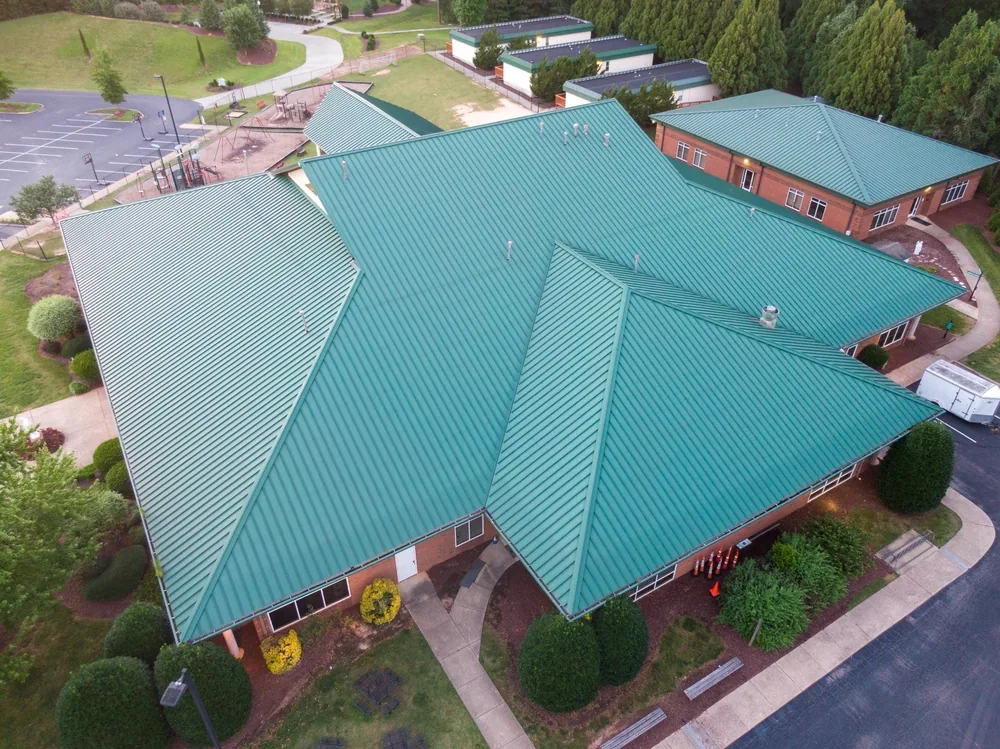
Roof Capital Planning
How the work is scoped, phased and documented on Boca Raton commercial roofs.
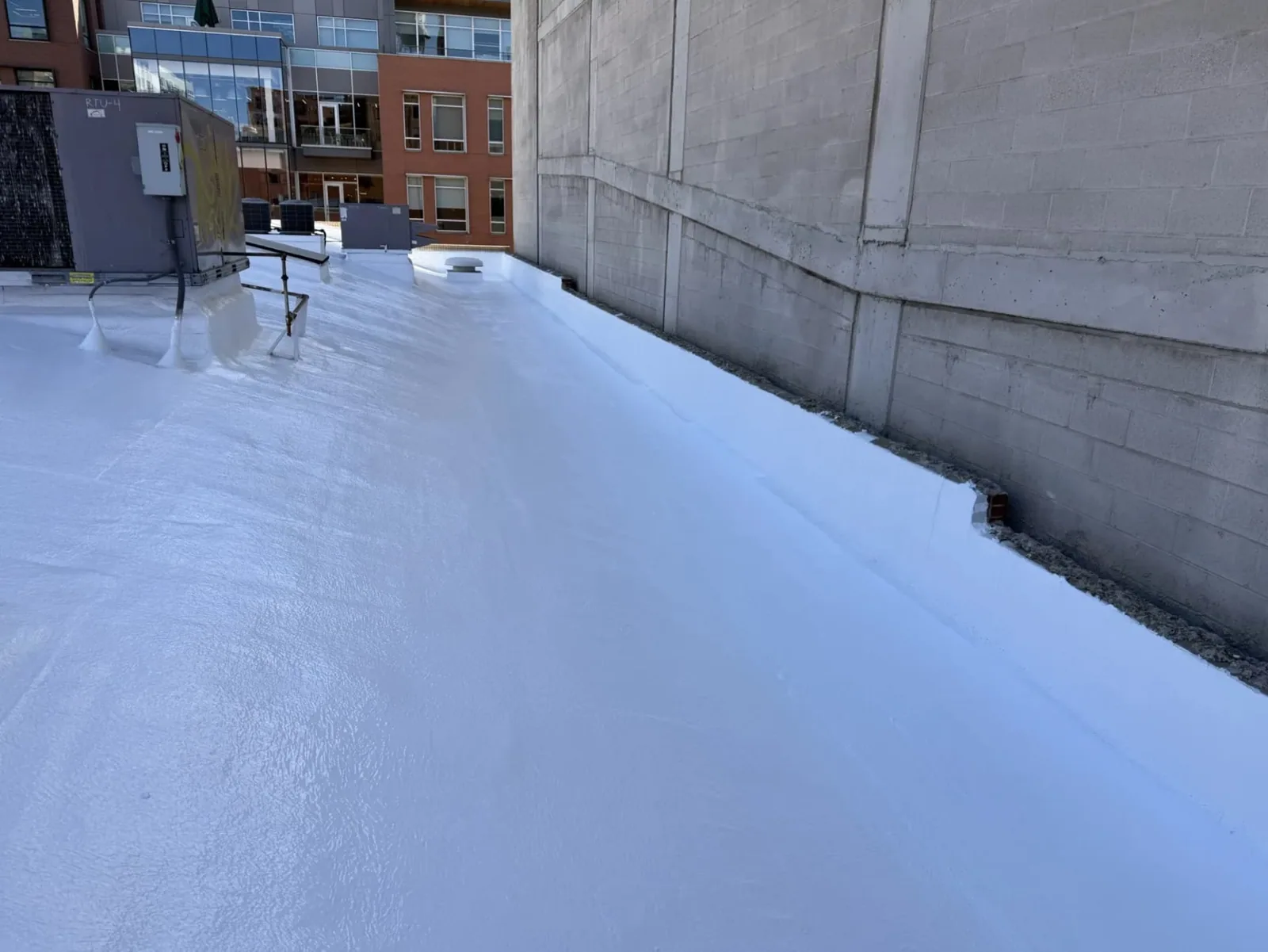
Commercial Roof Recover and Overlay
What we check, what we recommend and how the crew keeps the building open.
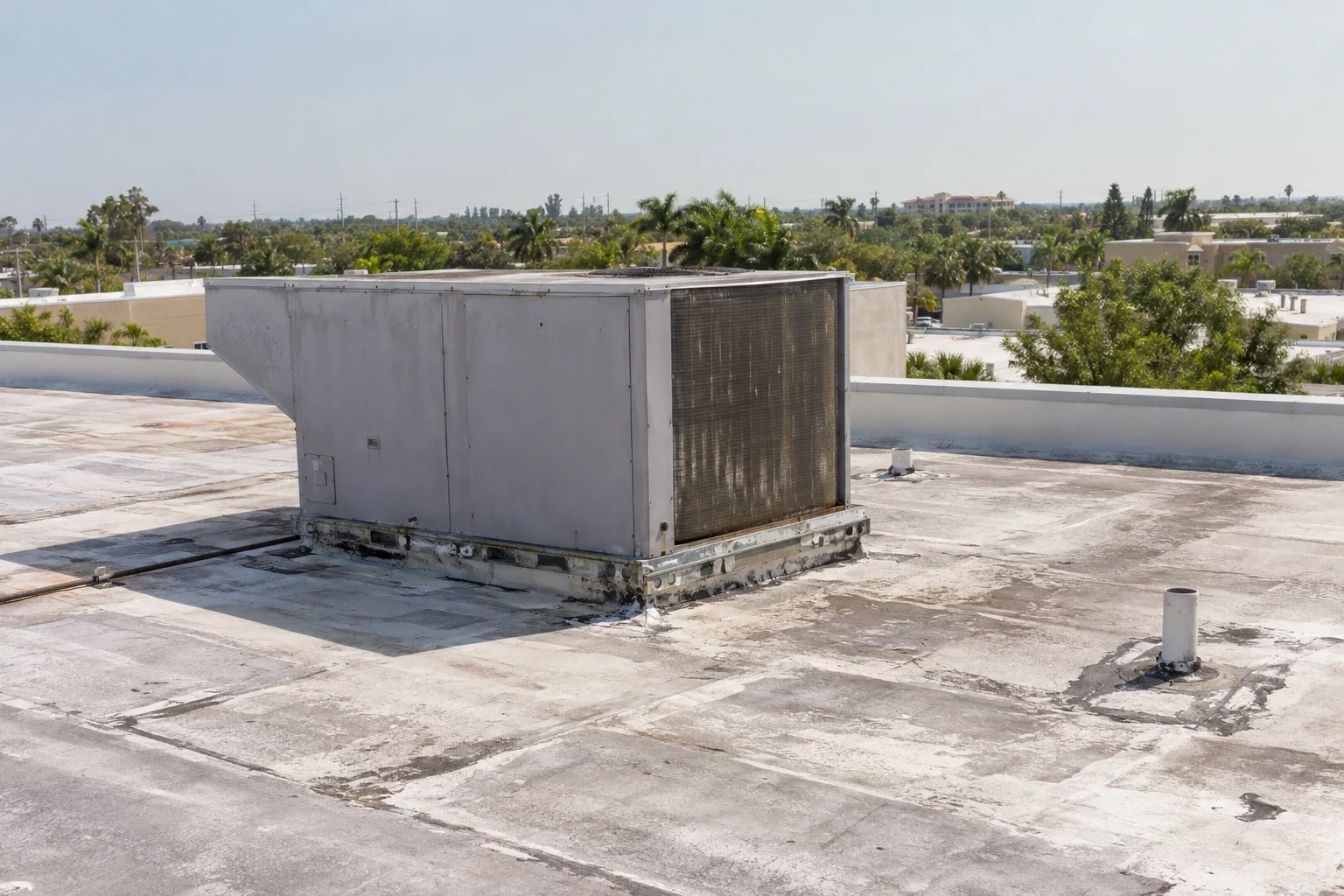
Occupied Building Reroofing
Conditions, options and next steps for commercial buildings in South Palm Beach County.
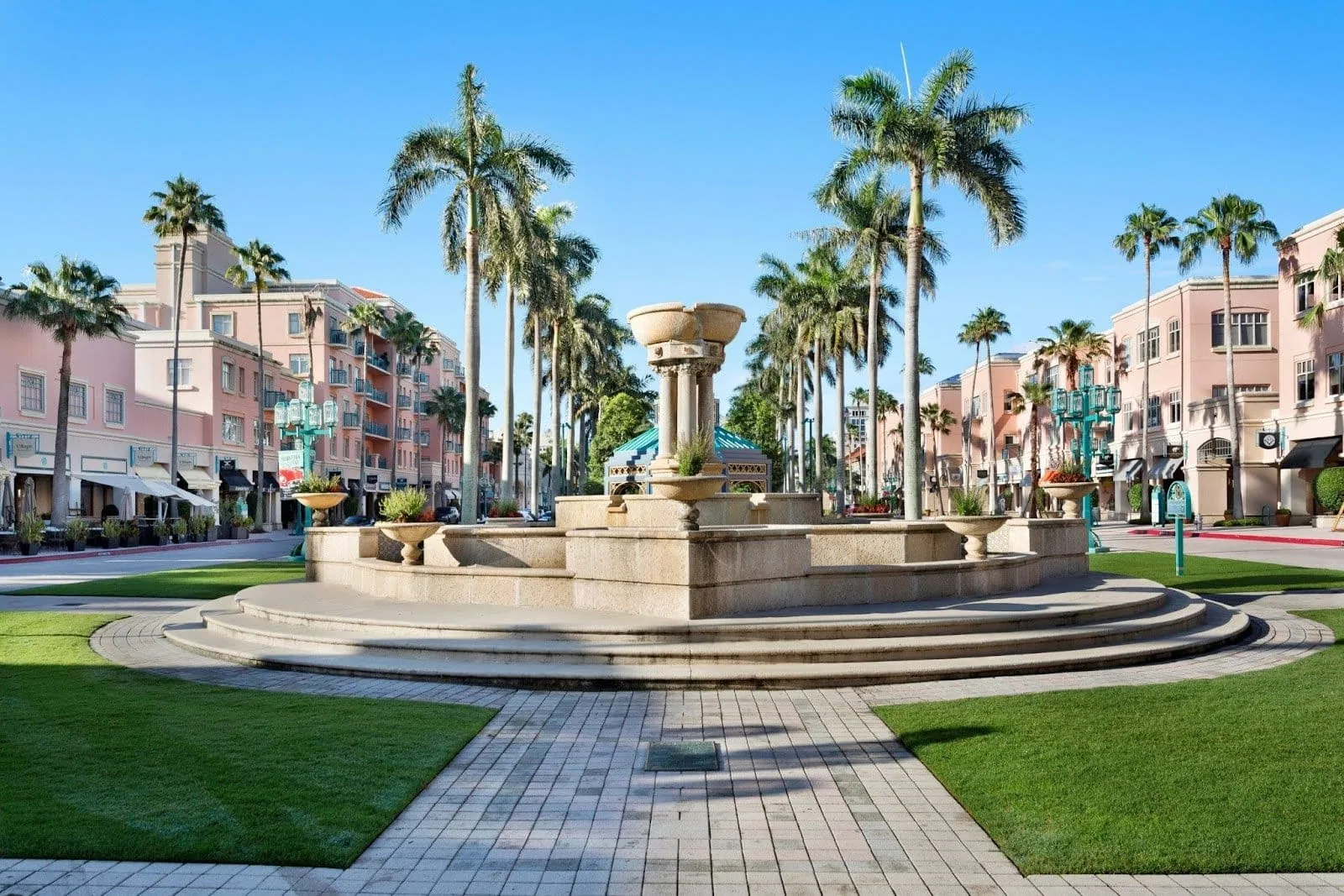
Boca Raton
Where this fits with repair, restoration and replacement decisions.