
Built-Up Roofing in Boca Raton, FL
How should an existing multilayer roof be evaluated?
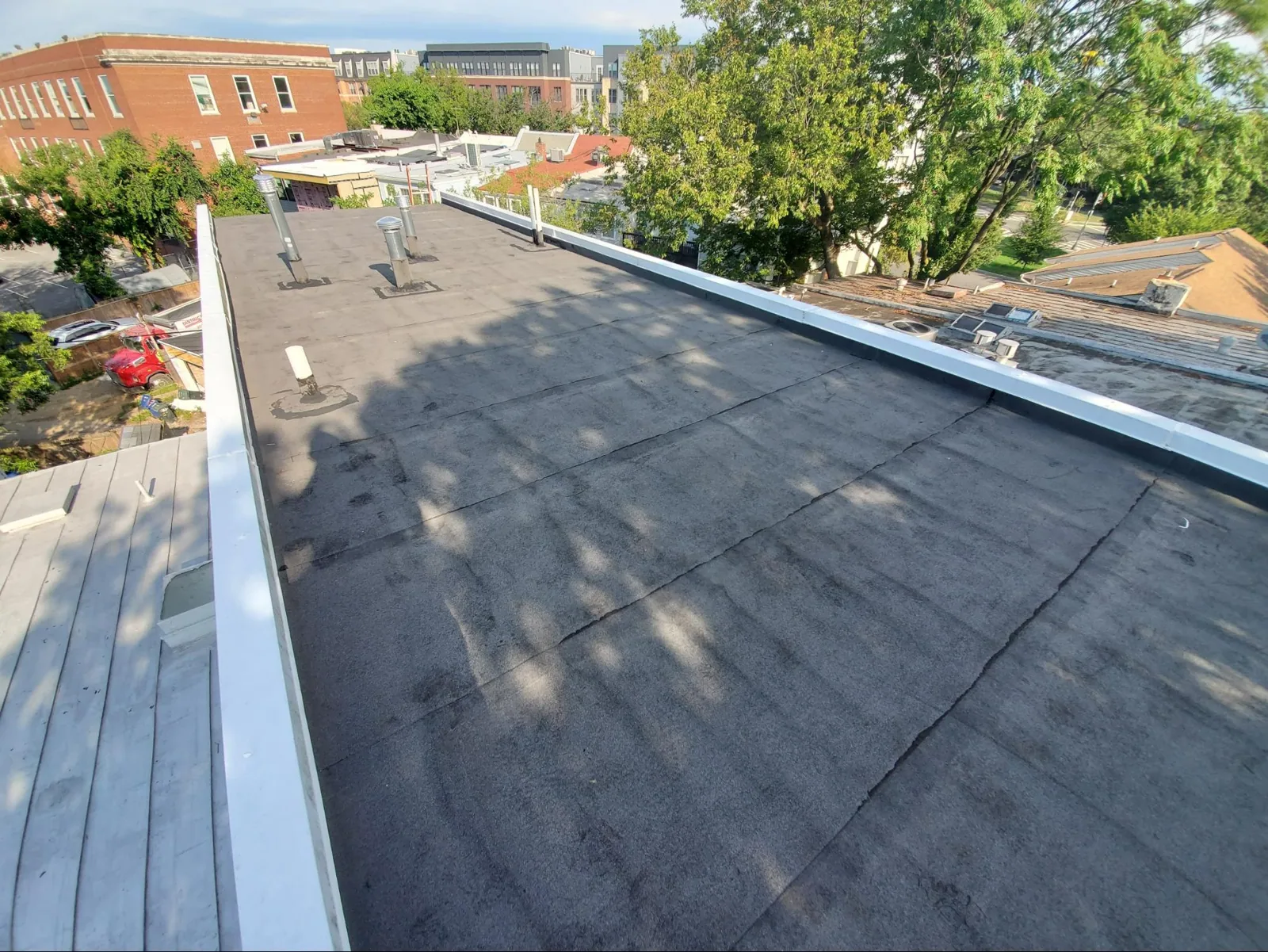
Review available installation and repair information, then inspect accessible field and detail conditions. Surfacing can conceal parts of the membrane, and hidden moisture or support questions may need further investigation. Identify which methods can address the relevant issue and what remains outside their coverage.
A roof condition inspection can locate observable changes and establish the starting record. Cracks, blisters or displaced surfacing require interpretation in the context of the assembly. Do not assign removal of the entire roof from one symptom without evaluating its extent and the proposed project objective.
Where openings or moisture assessment are used, document their locations and method limits. Samples describe the materials at the examined areas. The project team should combine those findings with the broader evidence to establish repair or removal boundaries, including appropriate closure of investigative locations.

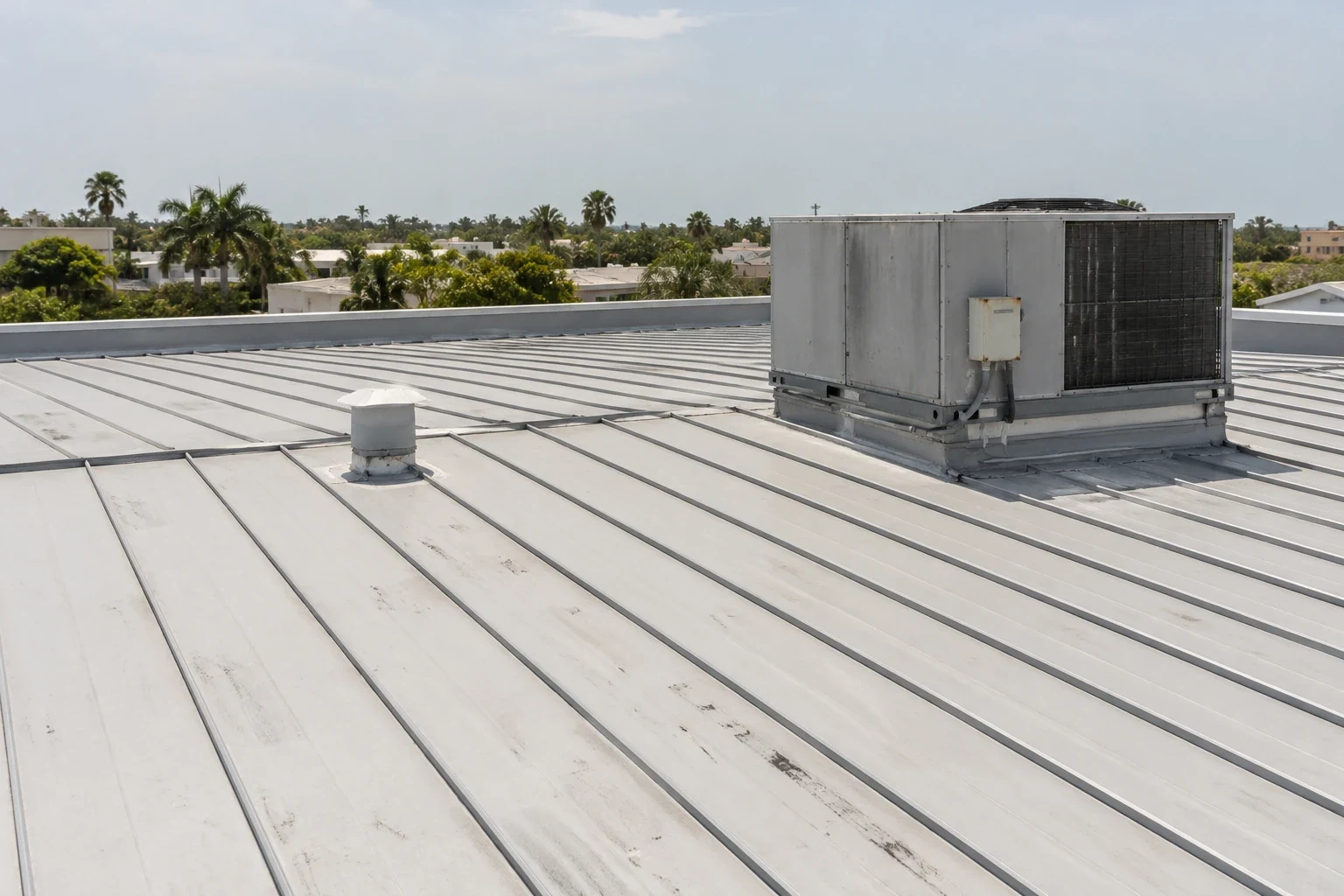
Which layers and surfacing belong in the specification?
Name the base arrangement, reinforcement layers, bituminous products and finished surfacing required by the selected system. Their relationship affects installation, detail construction and future repair procedures. The approved assembly should establish those items before materials are ordered. State who prepares the submittal and which review controls procurement. If a substitution is proposed, compare the resulting layers and application requirements, including any changed detail or operating cost. A material price reduction should arrive with enough construction information for the owner to evaluate its full effect.
Coordinate insulation and cover board with the substrate and installation method. Review thermal requirements, drainage geometry and the supporting construction. A thicker multilayer roof does not by itself establish the suitability or capacity of the structure beneath it.
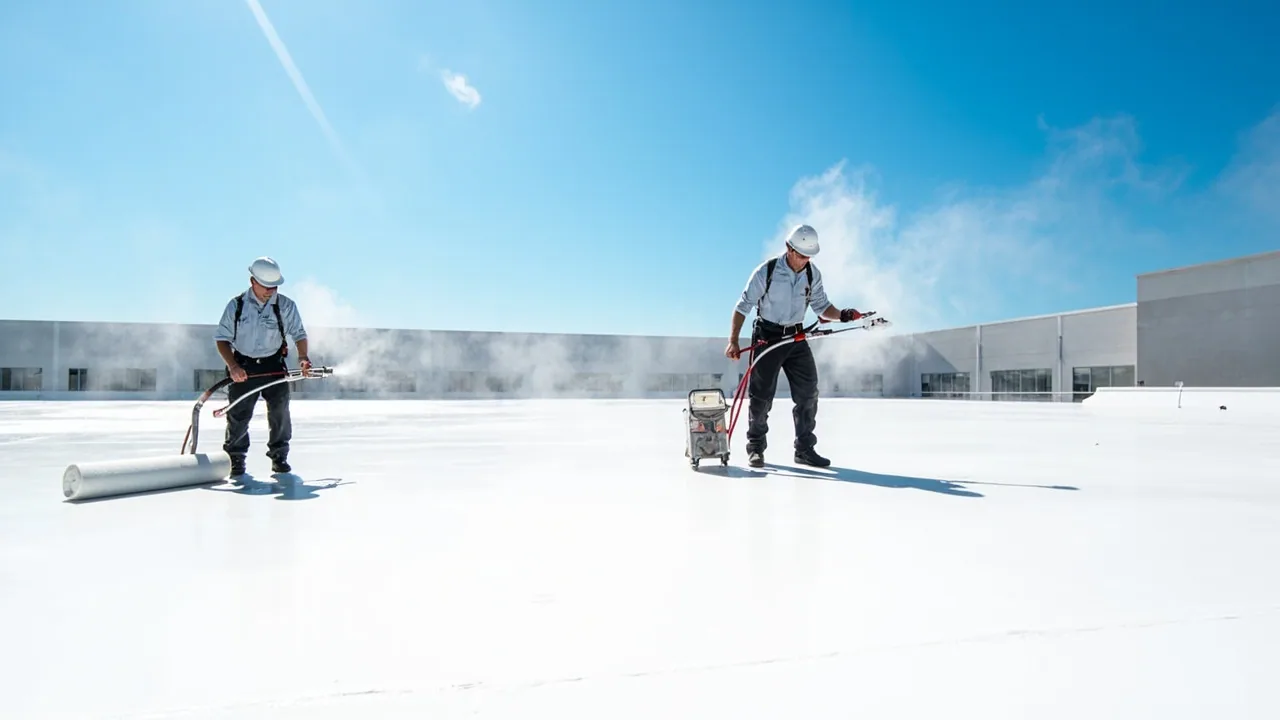
Surfacing needs its own scope and relevant project requirements. If a reflective finish is proposed, evaluate the exact product and compatible substrate within the assembly. For cool roof objectives, keep documented surface characteristics distinct from predictions about whole-building energy costs. The owner should understand both the construction and the financial assumptions.
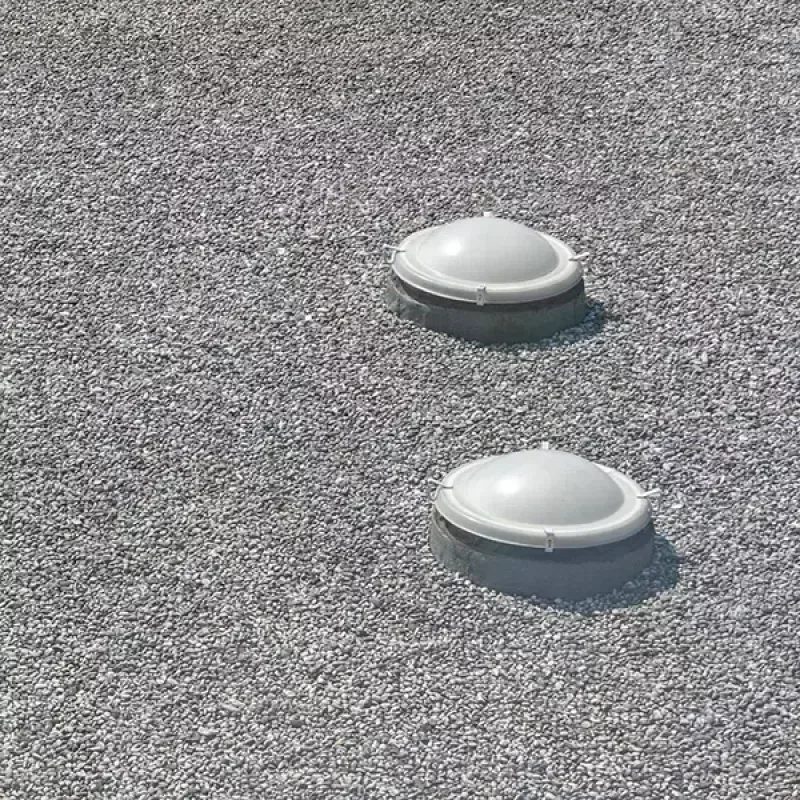
What does the application plan need to resolve?
Follow the product and assembly procedures for the selected application method. Where hot materials are used, establish the qualified personnel, handling arrangements and required work controls through the responsible project parties. Do not assume one application method suits every occupied building or every bituminous product.
Coordinate operating concerns with building management and the relevant qualified trades. HVAC or other system changes must follow an approved plan with a defined window and restoration responsibilities. Price those arrangements in the roof scope instead of leaving the field crew to improvise operating decisions.
For occupied reroofing, identify delivery, staging and removal routes alongside the work sections. Specify protection for unfinished construction and the decisions controlling the next operation. Coordinate material storage with the site plan and selected product requirements. Give management a reporting contact for any change in access or unfinished conditions, and update the accepted phase information when weather or investigation findings alter the work. Closure depends on the required assembly and detail tasks, not an assumed completion time that ignores the field conditions.
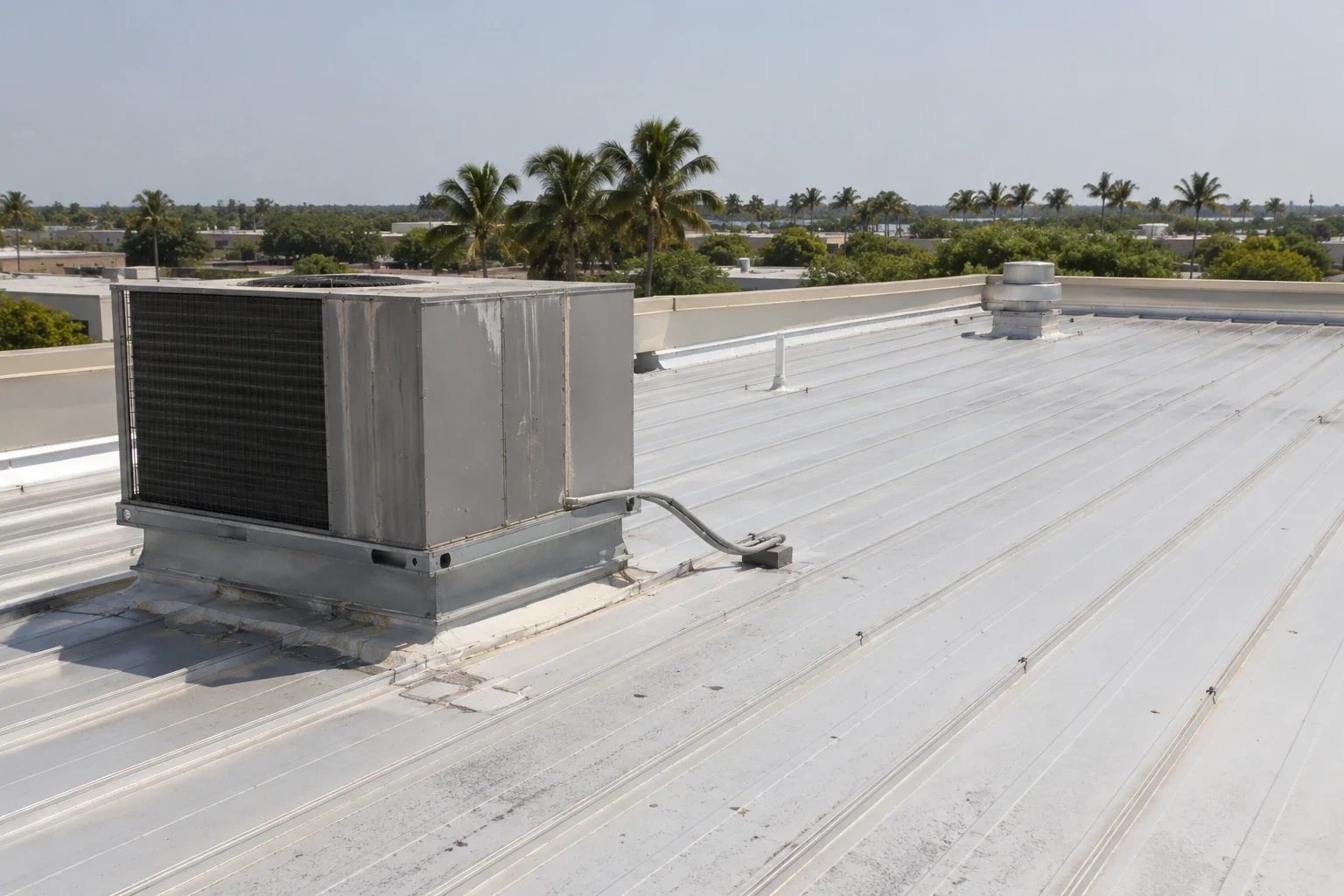
How do details and Boca Raton logistics enter the budget?
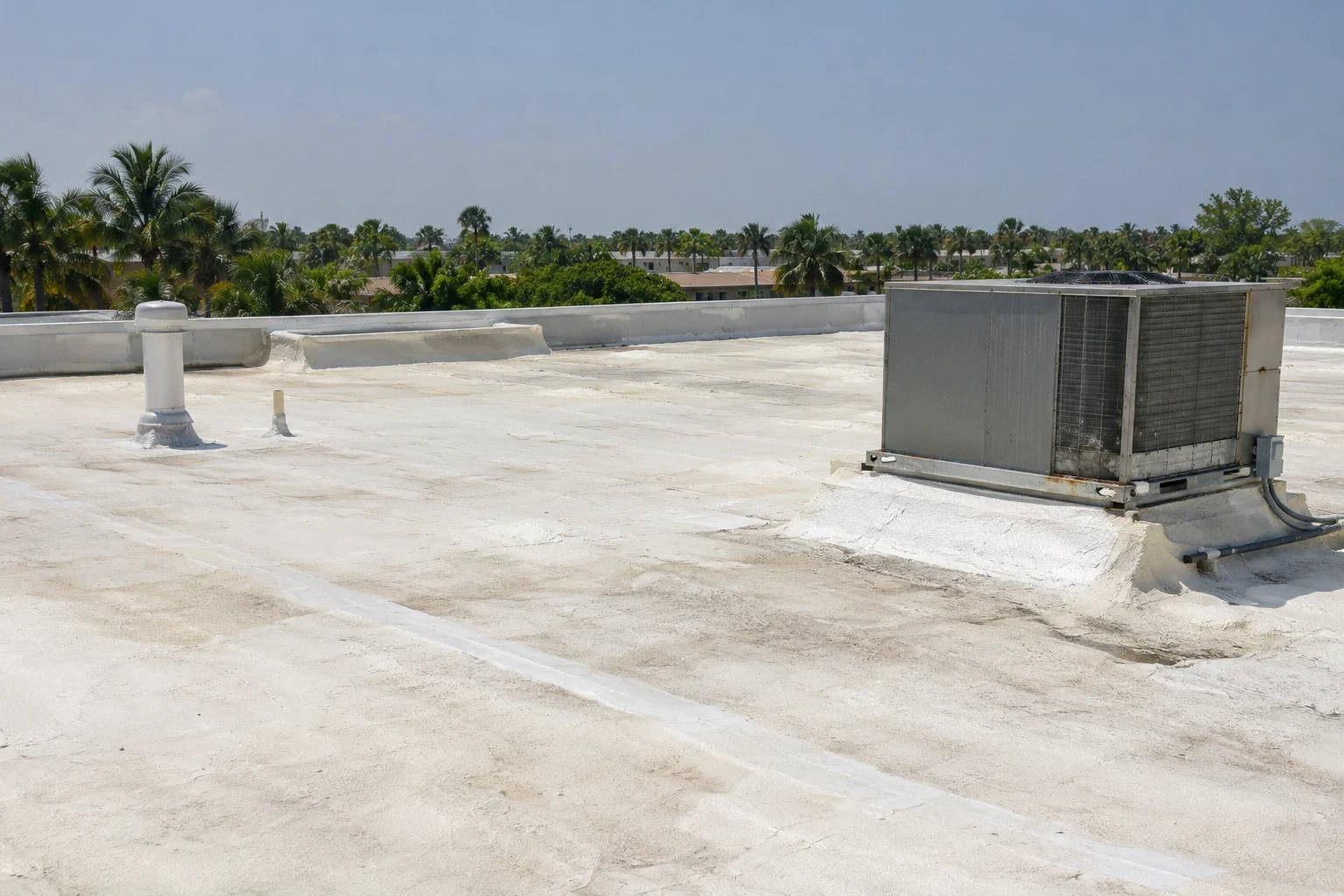
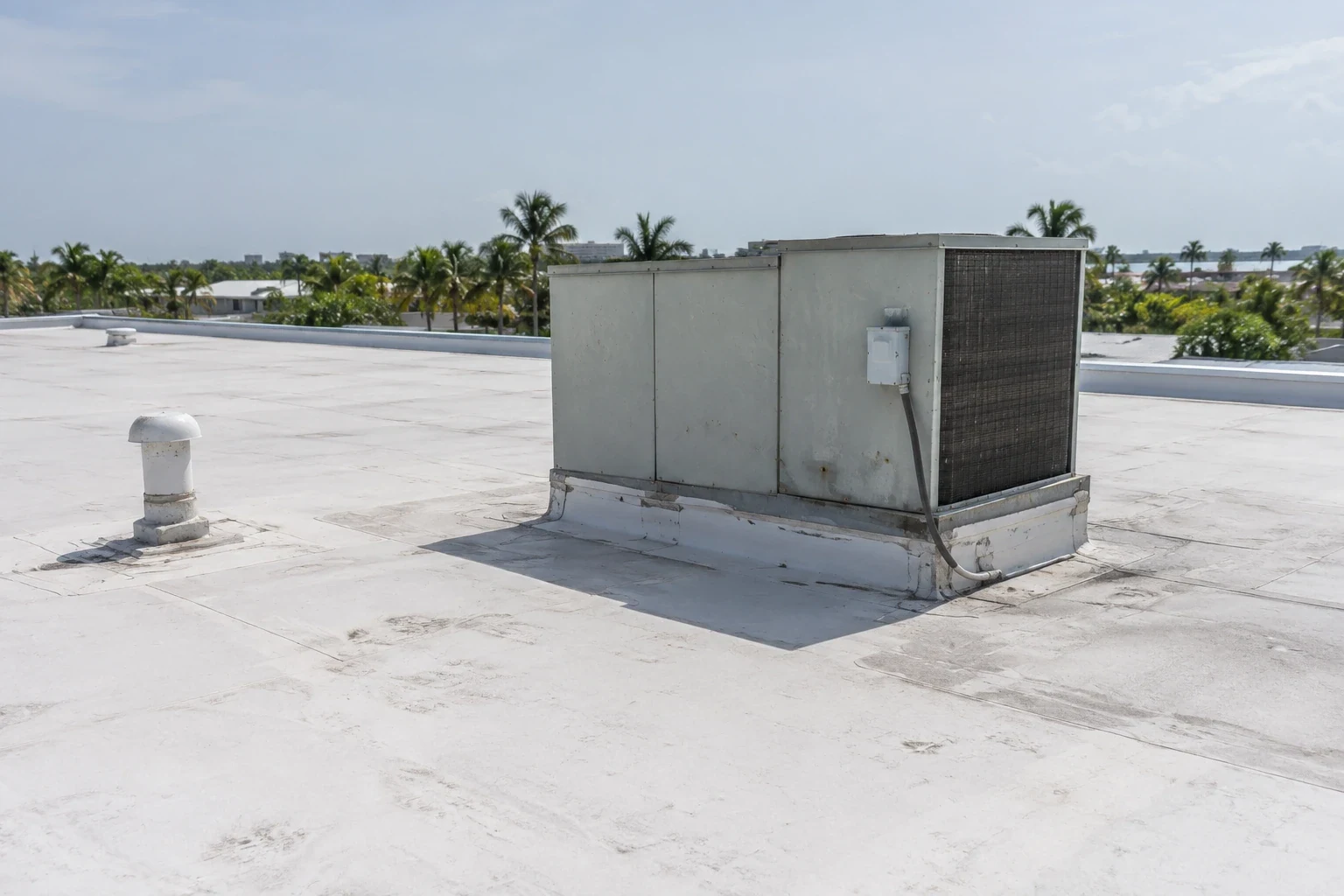
Drains, wall transitions and penetrations need compatible construction within the selected roof system. Coordinate flashing details with curbs and equipment so the new layers meet a suitable component. Identify any reconstruction needed before the roof transition is closed.
The wetter June-to-September portion of Boca Raton's annual weather belongs in procurement and phasing discussions. Plan the assembly materials and work windows with that timing in mind. Actual weather and product requirements govern installation, with a defined protection method when the sequence changes.
At Town Center and Glades Road, the retail setting makes material handling and customer routes early coordination items. The office users at The Park at Broken Sound bring their own management contacts and operating windows. Confirm the actual project arrangements and include the related access costs before comparing bids.
What makes the assembly record useful after construction?
Retain the approved layer arrangement, products and detail information. Document installation checks and authorized changes through the project quality process. Relevant concealed work should be recorded while it can be examined, because finished surfacing cannot show every underlying installation step.
Review the specific warranty proposed and identify its inspections, exclusions and owner obligations. A multilayer description does not establish coverage duration or terms. Keep the written agreement with the project documents, including the information needed when future alterations or repairs are considered.
At closeout, establish compatible service procedures and accessible detail checks in the maintenance plan. Record later equipment changes and repairs against the installed assembly information. The owner receives more lasting value when the bid and completed roof can be traced through the same organized construction record.
A useful assembly record separates observed ply count from assumptions about the concealed deck or insulation. Identify the opened locations, materials encountered, and any test results that informed the repair boundary. For new work, retain the specified layers, surfacing, transitions, and approved substitutions with installation photographs. If another trade crosses or supports equipment on the roof later, these records help the owner determine whether the new condition affects the built-up assembly or an adjacent detail. Carry unresolved moisture or drainage questions as explicit follow-up items instead of folding them into a broad statement that the roof is complete.
Questions About Built-Up Roofing
Straight answers for Boca Raton owners and managers. For anything not covered here, call 555-555-5555 or request a roof assessment.
Related Roofing Pages
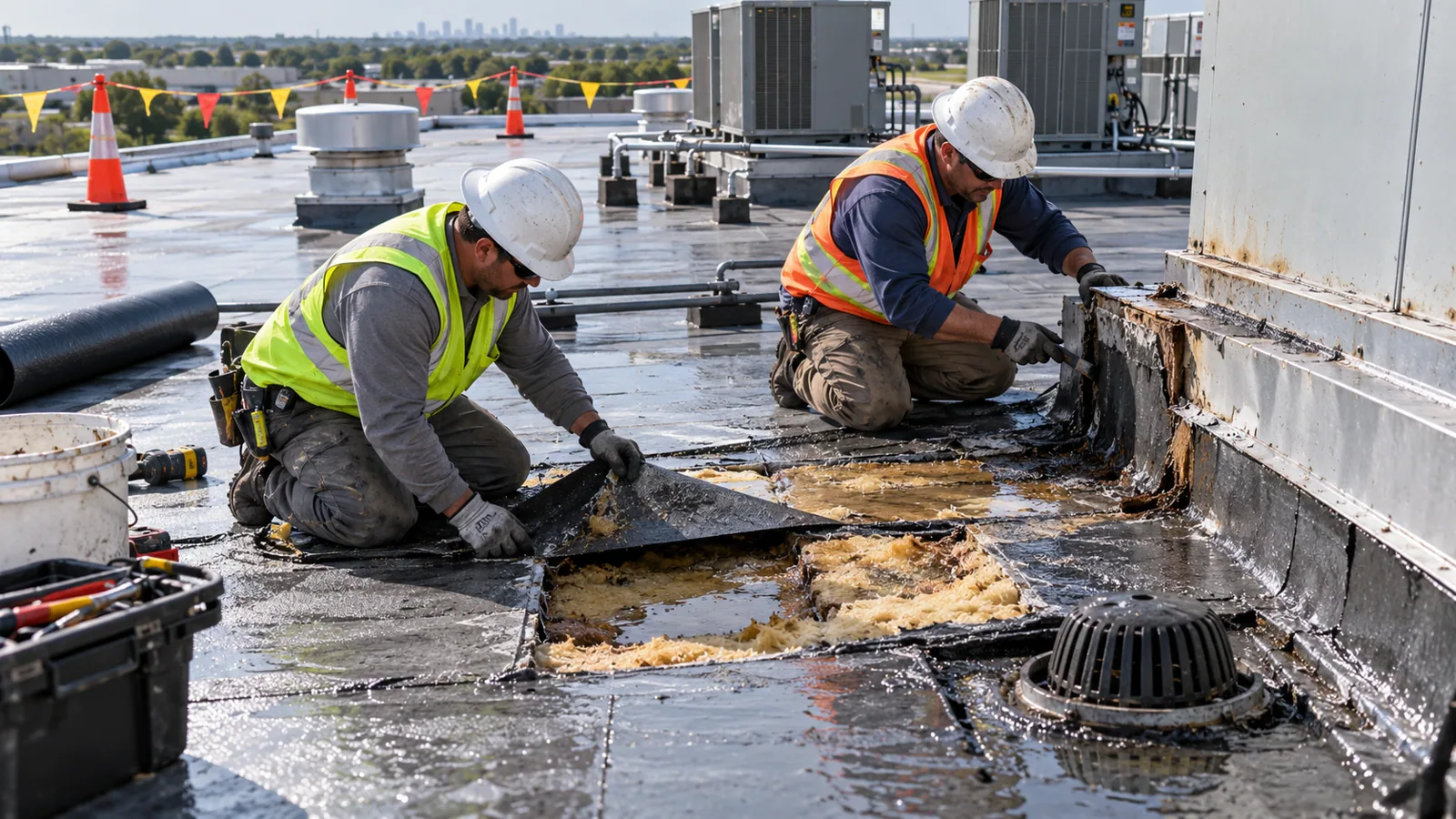
Commercial Roof Replacement
How the work is scoped, phased and documented on Boca Raton commercial roofs.
Modified Bitumen Roofing
What we check, what we recommend and how the crew keeps the building open.
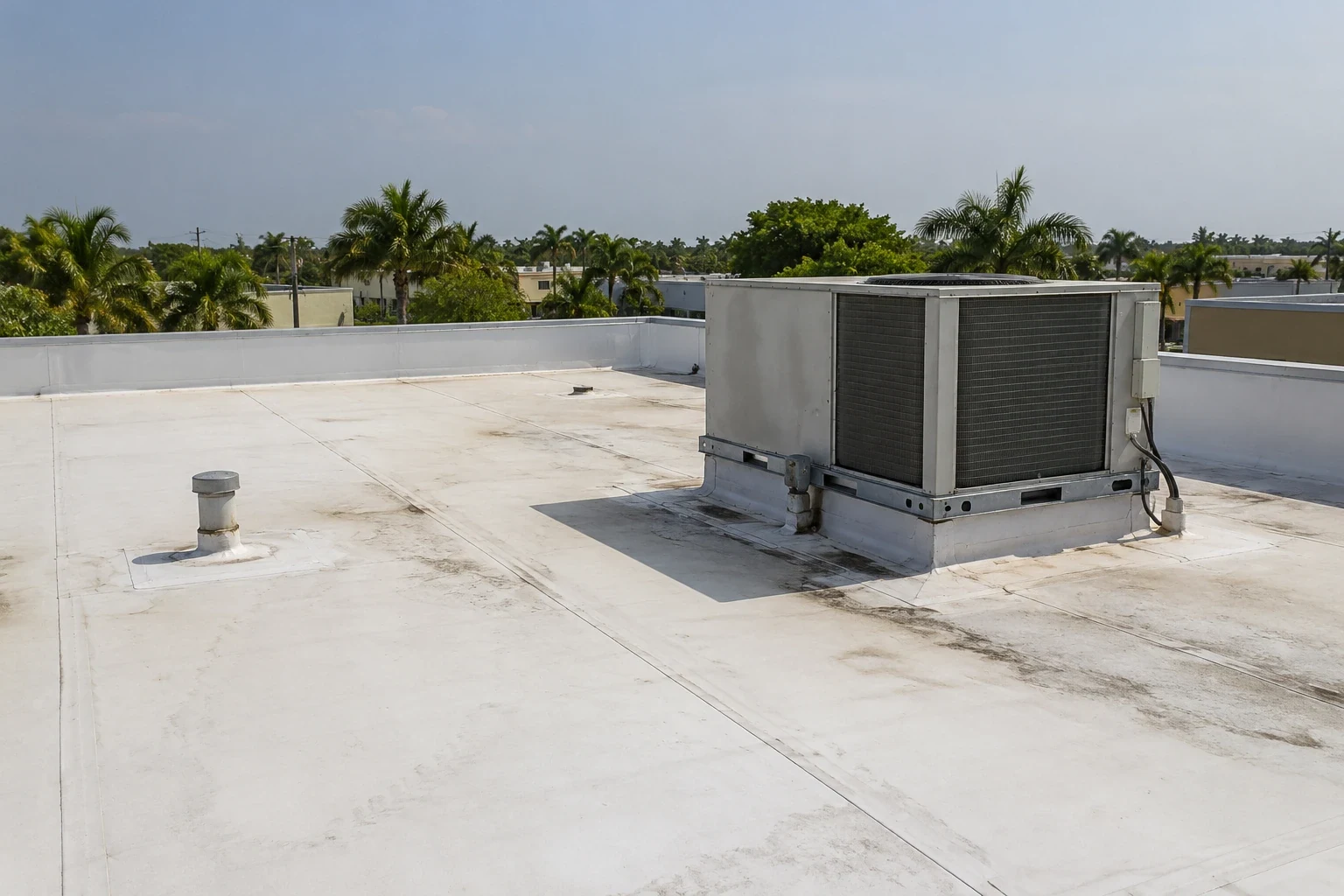
TPO Roofing
Conditions, options and next steps for commercial buildings in South Palm Beach County.
Roof Insulation and Cover Board
Where this fits with repair, restoration and replacement decisions.