Roof Insulation and Cover Board in Boca Raton, FL
How should retained materials be evaluated?
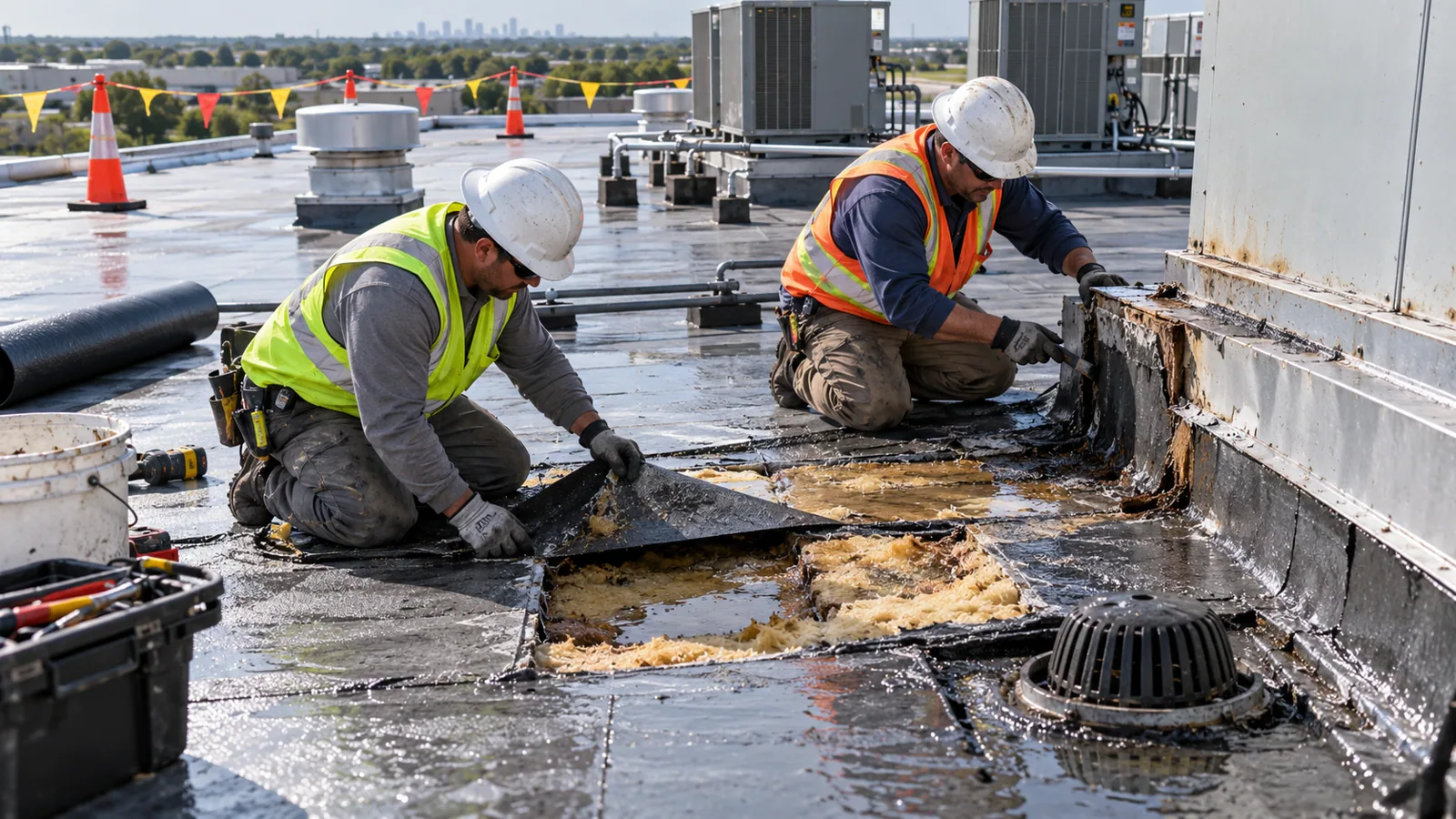
Review the existing assembly records and accessible condition information. Identify concerns about moisture, attachment or support that affect the proposed work. The project team should choose investigation methods suited to those questions and document how the results will be used.
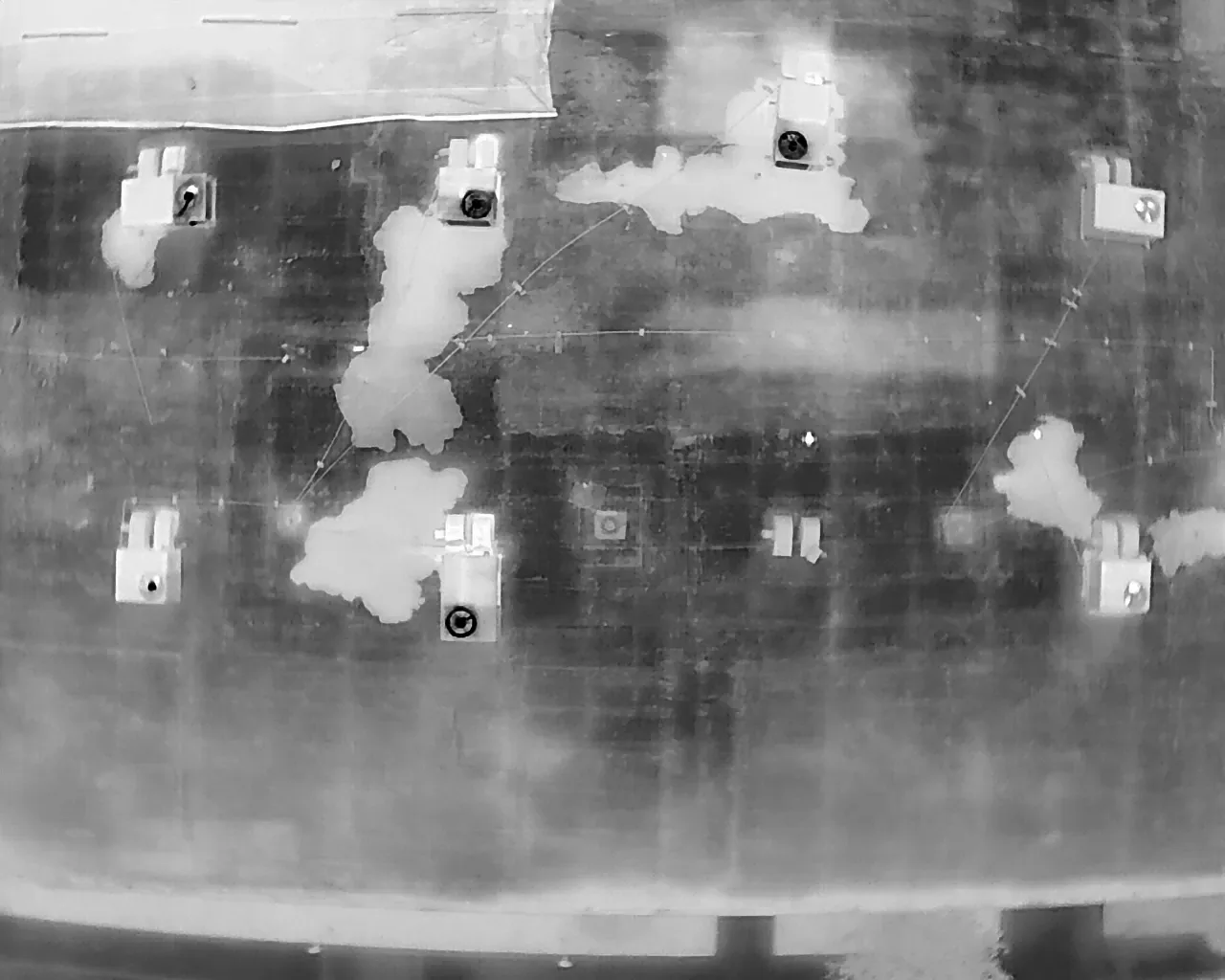
An infrared survey may contribute interpreted patterns when assembly and weather conditions support the method. Confirm suspect areas through appropriate testing and state the survey limits. A pattern is evidence for evaluation, not an automatic removal map or approval to retain every other area.
Samples provide information at their locations. Use a suitable investigation plan and the broader building evidence to determine the proposed limits. If the findings reveal a different condition during construction, the owner needs an agreed change process that identifies the affected area, required work and cost before the scope expands.
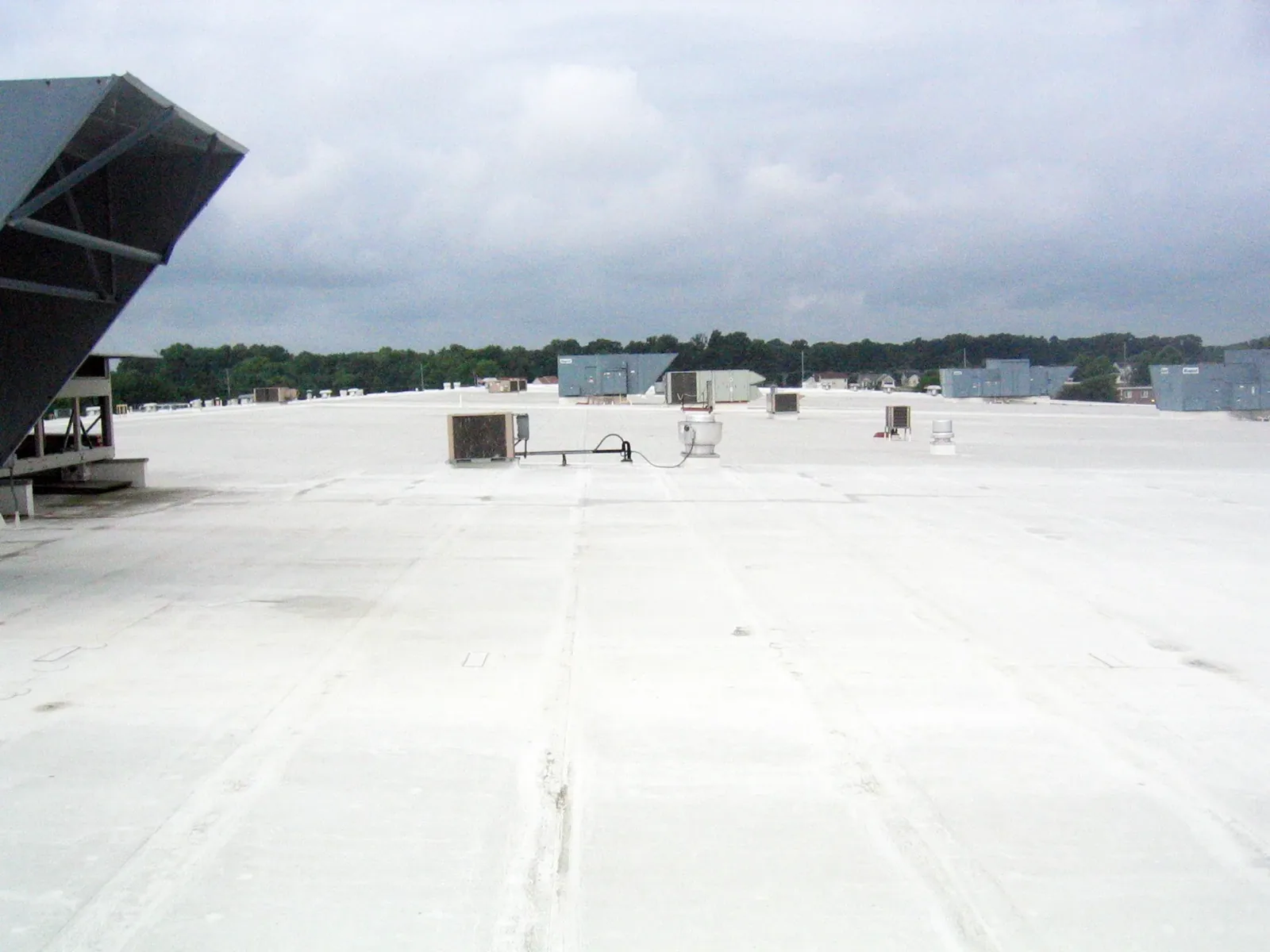
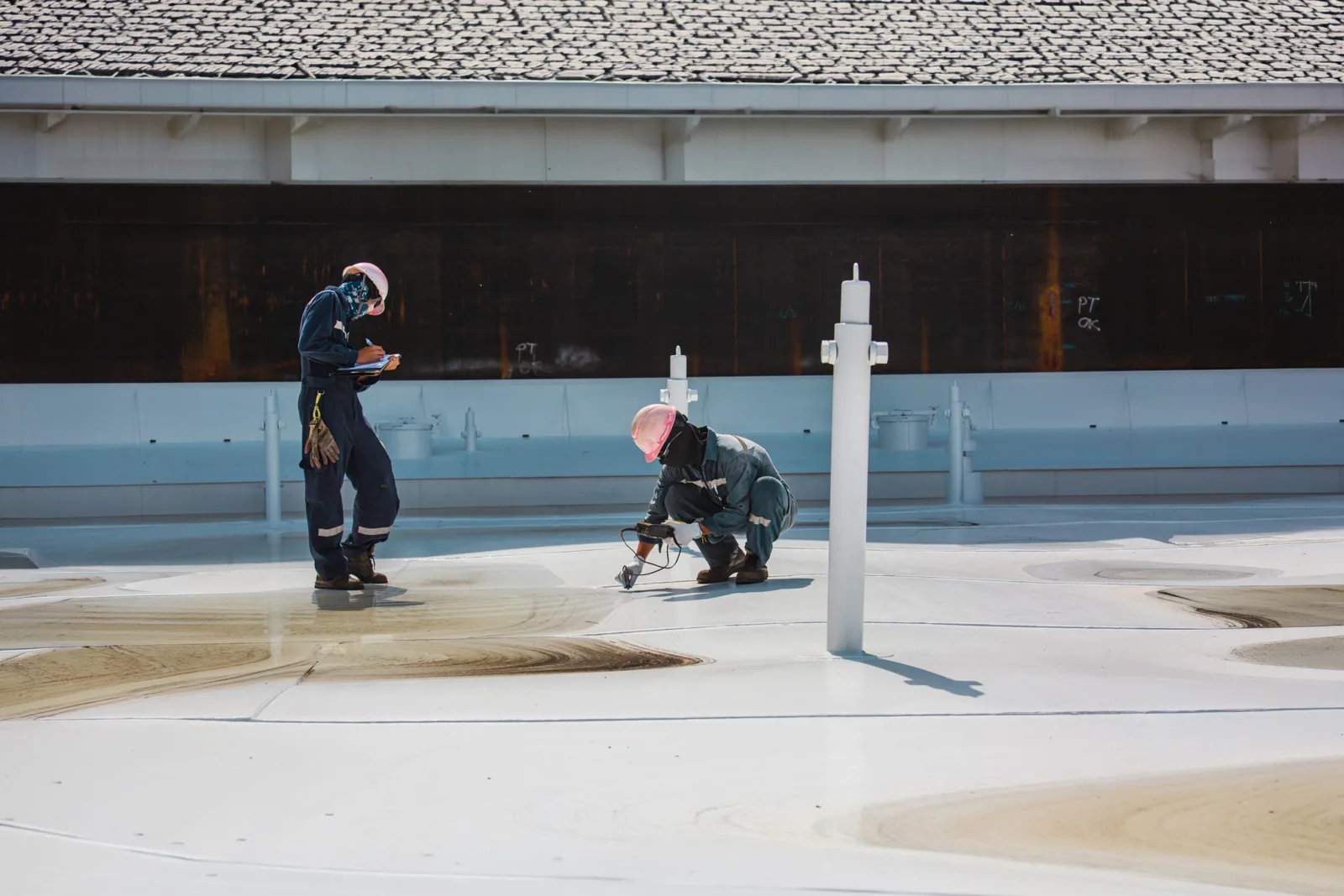
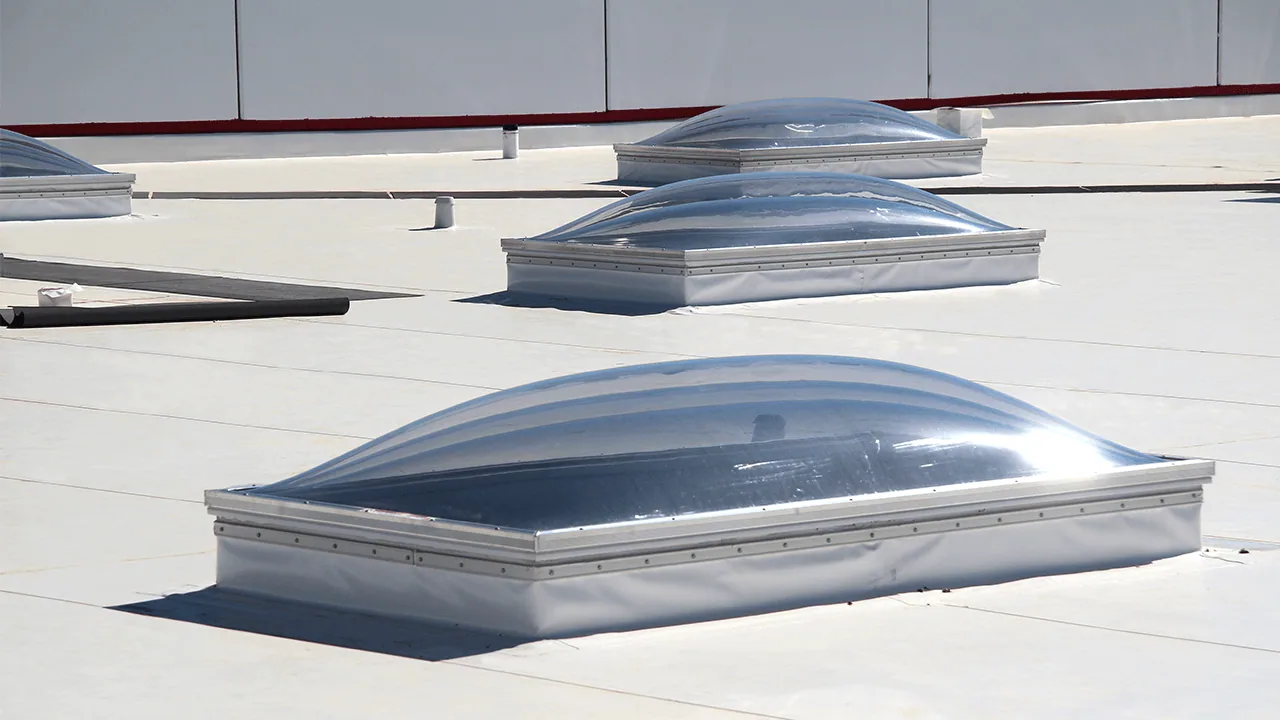
What does each board layer need to accomplish?
Insulation contributes thermal resistance within the roof assembly and may be shaped to support the drainage design. Select the material and thickness through the applicable project requirements. Actual performance depends on the assembly and its condition, so a nominal material value should not be presented as a measured result for the whole existing roof.
Cover board can provide a substrate or protective layer required by the selected system, with characteristics that depend on the specific product. Evaluate compatibility, attachment and applicable assembly classifications. It is not a substitute for repairing an unsuitable deck or retaining moisture-damaged construction beneath it.
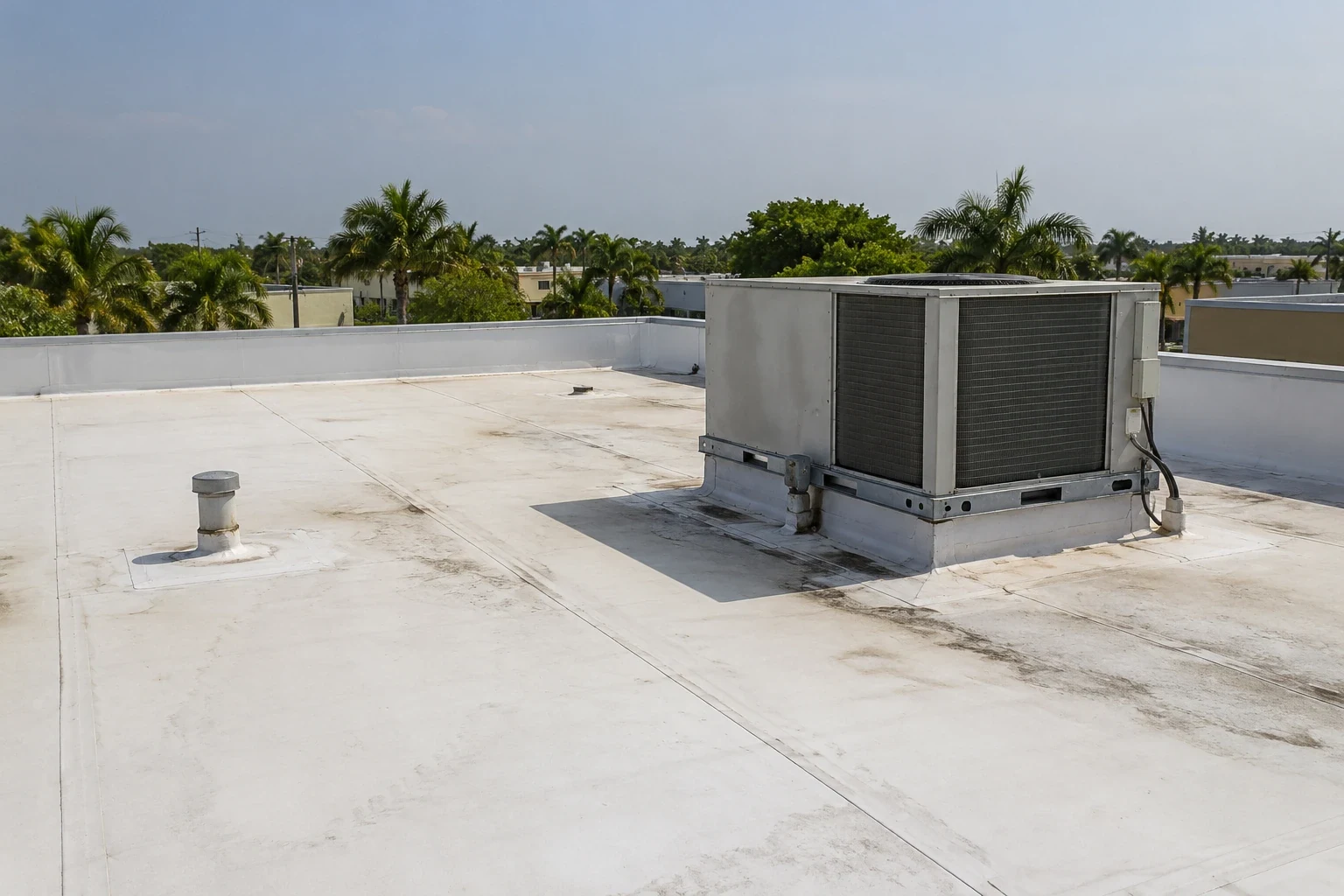
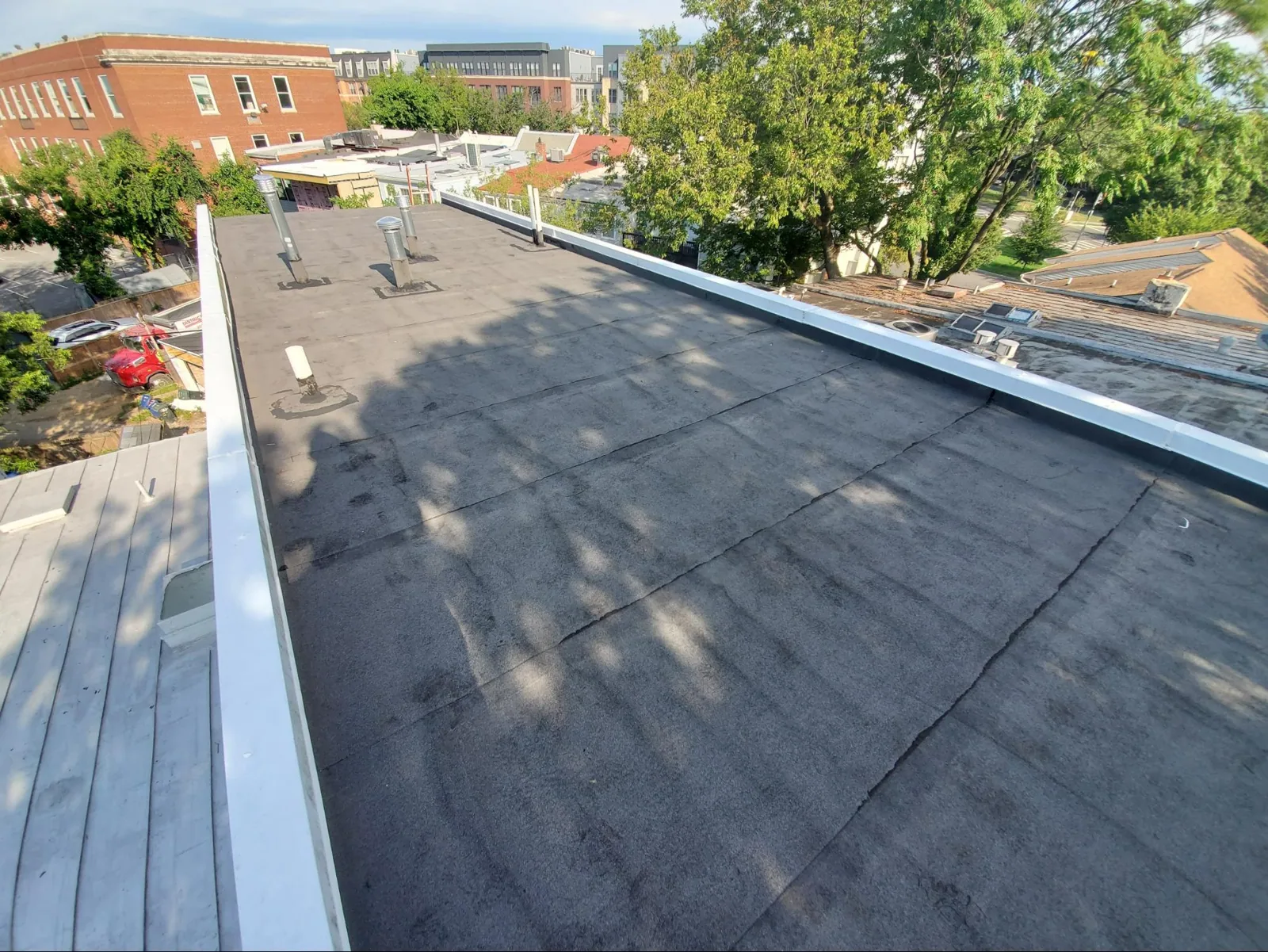
The membrane and the board layers need an approved relationship. A TPO assembly and a modified bitumen assembly may have different substrate and installation requirements. Name the selected construction in the submittal, including any vapor-control design responsibilities where the building conditions require evaluation. Interior temperature and humidity, exterior exposure and the layer arrangement belong in that assessment. Assign the relevant analysis to the project professionals rather than choosing a vapor-control layer from the regional climate description alone.
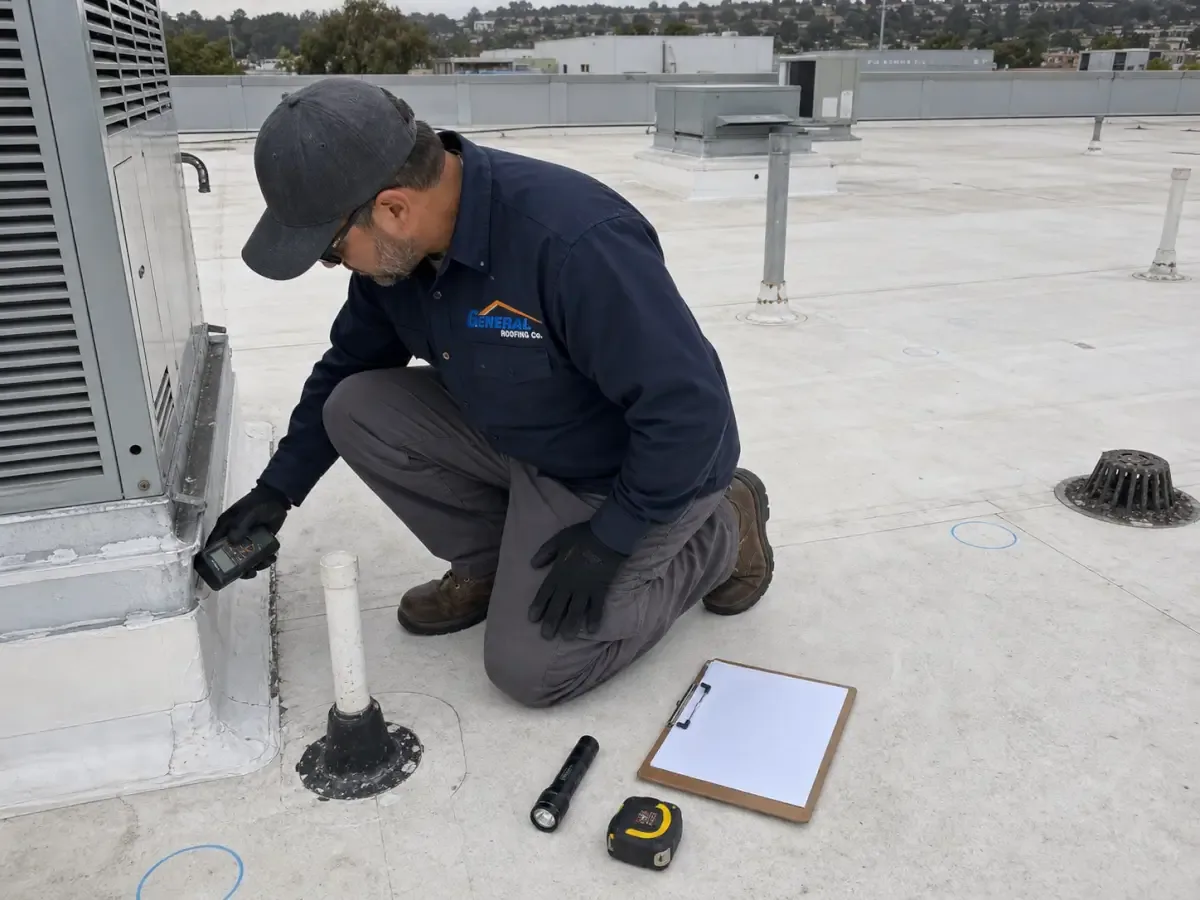
How do elevations and attachment affect procurement?
Map the intended drainage geometry before ordering tapered materials. Resolve the direction of flow, sumps or other transitions and the connection to roof outlets. Check the resulting elevations at curbs, doors and perimeter details. Those interfaces can require additional construction even when the main field layout is straightforward.
Coordinate drain and scupper work with the insulation design. The project team needs the outlet arrangement and intended levels established, with applicable drainage requirements evaluated. Installing a tapered layer without resolving its discharge path leaves an important part of the project unanswered.
Attachment requirements depend on the selected assembly, supporting construction and project design. Establish fastener suitability or adhesive procedures through the relevant documents and evaluation. Neither a thicker board nor a longer fastener automatically resolves attachment. Carry necessary testing, substrate preparation and design responsibility in the bid.
How does Boca Raton operating coordination shape phasing?
Boca Raton includes office campuses, retail roofs and industrial or flex properties at the Park of Commerce. For insulation board work, locate material storage and the roof access route before delivery, then confirm staging limits and the operating spaces below. That sequence keeps board clean and dry while the crew moves through each section.
The industrial and flex Park of Commerce district has access to I-95 near Congress Avenue and Yamato Road. For projects there, coordinate deliveries with loading activity and agree on the material-handling route. Packaging and removed roof material need an organized disposal plan so construction does not rely on space the tenant requires for daily operations.
Much of Boca Raton rainfall occurs during June through September. Protect board materials in storage according to their requirements and plan suitable work sections around installation conditions. Identify the method for protecting unfinished construction. A schedule should show the closure tasks and decision points rather than assume every opened area is ready for completion by a particular hour.
What should be verified through installation?
Record the materials, layer arrangement and attachment information required by the project. Check substrate readiness before installation and inspect the work through the specified procedures. Document concealed conditions while they remain accessible. A final membrane photograph cannot establish how every board layer was placed or attached.
Reconcile field changes with the approved assembly and drainage plan. If a board thickness, support condition or detail elevation changes, route that decision through the responsible project team before continuing the affected work. Keep the owner informed of cost and schedule consequences through the agreed authorization process.
At closeout, retain the assembly documents and photographs with the roof record. Connect future evaluation to roof capital planning so the owner can distinguish the installed construction from later assumptions. A resolved board scope supports a clearer bid, a coordinated installation and better information for the next building decision.
Cover board selection also affects attachment and surface preparation. Confirm the insulation type, fastening pattern or adhesive method, and the substrate that will receive it. Changes in thickness can affect edge heights, drains, curbs and transitions to adjacent roof sections. Mark those details on the plan before ordering material. During installation, document fastening or adhesive checks at the required intervals and keep damaged or wet board out of the assembly.
Questions About Roof Insulation and Cover Board
Straight answers for Boca Raton owners and managers. For anything not covered here, call 555-555-5555 or request a roof assessment.
Related Roofing Pages
Commercial Roof Replacement
How the work is scoped, phased and documented on Boca Raton commercial roofs.
Infrared Moisture Surveys
What we check, what we recommend and how the crew keeps the building open.
TPO Roofing
Conditions, options and next steps for commercial buildings in South Palm Beach County.
Modified Bitumen Roofing
Where this fits with repair, restoration and replacement decisions.